
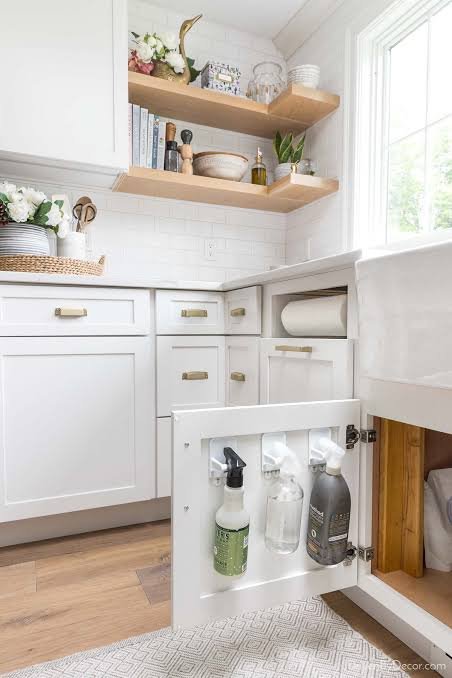

A well-organized home can make everyday life easier, calmer, and more enjoyable. When everything has a proper place, you spend less time searching for things and more time enjoying your home. Home organization is not only about making rooms look beautiful. It is also about creating practical systems that help you maintain cleanliness, save space, reduce clutter, and make daily routines simpler.
Many people think organizing a home requires expensive furniture, large storage rooms, or professional organizers. In reality, you can organize almost any home with simple methods. The key is to work room by room and give every item a logical place.
Instead of trying to organize the entire house in one day, divide the work into manageable sections. Start with one room, remove unnecessary items, categorize what remains, and create storage systems that fit your lifestyle.
This guide explains how to organize your home room by room, including the living room, bedroom, bathroom, kitchen, dining room, home office, laundry area, entryway, children’s room, guest room, garage, and other common spaces.
Why Home Organization Matters
An organized home provides several practical benefits. First, it reduces visual clutter. When surfaces are covered with unnecessary objects, a room can feel smaller and more stressful. Clearing those surfaces immediately makes the space feel more open.
Organization also saves time. If keys, documents, clothes, kitchen tools, and cleaning products always return to the same places, you know exactly where to find them.
Another advantage is better use of space. Even a small home can feel comfortable when storage is planned properly. Vertical shelves, under-bed containers, drawer organizers, baskets, hooks, and multipurpose furniture can make a significant difference.
An organized home can also make cleaning easier. When belongings have designated locations, you can quickly put things away before cleaning floors, furniture, or countertops.
Before You Start: Create an Organization Plan
Before organizing individual rooms, spend a few minutes thinking about your entire home.
Walk through each room and identify the areas that create the most problems. You might notice piles of clothes in the bedroom, paperwork on the dining table, toys in the living room, or toiletries scattered around the bathroom.
Make a simple list:
- Living room
- Bedroom
- Kitchen
- Bathroom
- Dining room
- Home office
- Entryway
- Children’s room
- Guest room
- Laundry area
- Garage or storage room
You do not need to complete every area immediately. Choose one room and finish it before moving to another.
Gather Basic Organization Supplies
You do not need many supplies, but a few basic items can help:
- Storage baskets
- Small boxes
- Drawer dividers
- Labels
- Hooks
- Shelves
- Clear containers
- File folders
- Hangers
- Under-bed storage boxes
- Cleaning cloths
- Garbage bags
- Donation bags
Use containers only when they solve a real storage problem. Buying many containers without reducing clutter can simply create more things to manage.
The Four-Step Decluttering Method
A simple way to organize any room is to divide everything into four groups.
1. Keep
These are items you use regularly, need, or genuinely value.
2. Donate
These are useful items that you no longer need but someone else could use.
3. Recycle
Items such as paper, cardboard, glass, plastic, or electronics may belong in recycling according to your local recycling rules.
4. Dispose
Broken, expired, damaged, or unusable items may need to be thrown away safely.
Try not to create a large “maybe” pile. If you are unsure about something, ask yourself when you last used it and whether you realistically expect to use it again.
How to Organize Your Living Room
The living room is often one of the busiest areas of the home. Family members relax there, guests visit, children play, and electronics are often used there.
Because of this, living rooms can become cluttered quickly.
Step 1: Clear the Main Surfaces
Start with the coffee table, side tables, TV stand, shelves, and other visible surfaces.
Remove:
- Old magazines
- Empty cups
- Unused decorations
- Random papers
- Toys
- Packaging
- Unnecessary electronics
- Items that belong in other rooms
Return each item to its proper location.
Step 2: Organize Entertainment Items
Remote controls, gaming accessories, chargers, DVDs, books, and other entertainment items can create visual clutter.
Use a small basket or tray for remote controls. Keep gaming accessories together in a designated drawer or cabinet.
If you have multiple cables, label them so you can identify them easily.
Step 3: Arrange Books Properly
Books can be organized by:
- Subject
- Size
- Author
- Color
- Frequency of use
There is no single correct method. Choose the system that makes finding books easiest for you.
Step 4: Manage Children’s Items
If children use the living room, provide a small basket or storage box for toys. Teach children to return toys after playing.
A simple rule can work well:
One activity out, one activity away.
Before starting a new activity, put the previous items back.
Step 5: Keep Decorations Simple
Decorations can make a living room attractive, but too many objects can make it feel crowded.
Choose meaningful decorations and avoid filling every shelf and surface.
How to Organize the Bedroom
The bedroom should be peaceful and functional. Clothing, shoes, accessories, bedding, books, and personal belongings can quickly create clutter.
Organize Your Clothes
Take all clothing categories one at a time.
Separate:
- Everyday clothes
- Formal clothes
- Seasonal clothing
- Sportswear
- Sleepwear
- Underwear
- Accessories
Remove items that no longer fit, are damaged beyond use, or have not been worn for a long time.
Organize the Wardrobe
Arrange clothing according to your lifestyle.
For example, you might keep frequently worn clothing at eye level and less frequently used clothing on higher shelves.
Use matching hangers if possible because they create a cleaner appearance and make better use of hanging space.
Use Vertical Space
If your wardrobe has unused vertical space, consider shelf organizers or stackable storage.
You can also use:
- Hanging organizers
- Shelf dividers
- Hooks
- Storage boxes
Organize Shoes
Keep frequently worn shoes near the front of the shoe storage area.
Less frequently used shoes can be stored higher or farther back.
Avoid keeping too many pairs scattered around the bedroom floor.
Organize the Bedside Table
A bedside table should contain only useful items.
You might keep:
- A lamp
- Phone charger
- Book
- Glass of water
- Small personal items
Remove old receipts, empty bottles, unused packaging, and other unnecessary objects.
Use Under-Bed Storage
The space beneath your bed can be valuable.
Use it for:
- Seasonal clothes
- Extra bedding
- Shoes
- Suitcases
- Occasionally used items
Use closed containers to prevent dust accumulation.
How to Organize the Kitchen
The kitchen often contains many small items, making organization especially important.
Start by emptying one cabinet or drawer at a time.
Organize Kitchen Cabinets
Group similar items together.
For example:
- Plates
- Bowls
- Glasses
- Cups
- Cooking pots
- Baking equipment
- Food storage containers
- Cleaning products
Keep frequently used items in easily accessible locations.
Organize the Pantry
A pantry becomes easier to manage when similar foods are grouped together.
Create sections for:
- Rice and grains
- Pasta
- Flour
- Spices
- Canned foods
- Snacks
- Breakfast items
- Baking ingredients
Use clear containers when practical.
Always check expiration dates regularly and place older products where they will be used first.
Organize the Refrigerator
Create zones inside your refrigerator.
You can separate:
- Vegetables
- Fruits
- Dairy
- Drinks
- Leftovers
- Sauces
- Ready-to-eat foods
Use containers for leftovers and label them with dates when useful.
Clean the refrigerator regularly so expired food does not take up valuable space.
Organize Kitchen Drawers
Drawer dividers are especially useful for utensils.
Keep frequently used tools together and avoid mixing unrelated items.
For example, cooking utensils can occupy one drawer while cutlery is stored separately.
Organize Pots and Pans
If cabinet space is limited, stack compatible pots and pans.
You can also use vertical organizers for baking trays, cutting boards, and lids.
Keep the Countertop Clear
Kitchen countertops are easier to clean when only essential appliances remain visible.
Keep frequently used appliances accessible and store occasional-use appliances in cabinets.
How to Organize the Bathroom
Bathrooms contain many small products, so they can become cluttered quickly.
Start by removing everything from drawers and cabinets.
Check Expired Products
Inspect:
- Medicines
- Cosmetics
- Skincare products
- Hair products
- Sunscreen
- Cleaning products
Dispose of expired products according to appropriate local disposal guidance.
Organize Bathroom Cabinets
Group products by function.
For example:
- Hair care
- Skin care
- Dental care
- Shaving
- First-aid supplies
- Personal care
Use small containers to prevent items from becoming mixed together.
Organize the Shower
Keep only regularly used products in the shower.
Use shower shelves or baskets to keep bottles organized.
Avoid storing too many products around the bathtub or shower floor.
Organize Towels
Fold towels consistently and store them together.
You can separate:
- Bath towels
- Hand towels
- Face towels
- Guest towels
Keep frequently used towels in an easily accessible location.
How to Organize the Dining Room
The dining room often becomes an unofficial storage area, especially when the table is not used every day.
Make the dining table a clutter-free zone.
Remove:
- Toys
- Electronics
- Shopping bags
- Paperwork
- Random household items
If you need temporary storage, create a designated basket or tray instead of using the dining table.
Organize Dining Cabinets
If you have a buffet, cabinet, or sideboard, use it for:
- Plates
- Serving dishes
- Tablecloths
- Napkins
- Cutlery
- Special dining items
Store everyday items where they are easiest to access.
How to Organize the Home Office
A home office requires organization because paperwork, electronics, books, and stationery can quickly accumulate.
Organize Your Desk
Keep only essential items on the desk.
A simple setup might include:
- Computer
- Keyboard
- Mouse
- Notebook
- Pen holder
- Lamp
Everything else can be stored elsewhere.
Organize Documents
Create categories such as:
- Bills
- Banking
- Home documents
- Education
- Work
- Insurance
- Receipts
- Important records
Use clearly labeled folders.
For important documents, consider secure storage and appropriate digital backups.
Organize Computer Accessories
Keep cables, chargers, USB drives, headphones, and adapters in a designated drawer or box.
Label unusual cables so you do not have to guess what each one belongs to.
Manage Digital Clutter
Home organization is not limited to physical objects.
Clean your computer and phone by:
- Deleting unnecessary files
- Organizing folders
- Removing unused applications
- Backing up important documents
- Cleaning email inboxes
A simple digital filing system can save considerable time.
How to Organize the Entryway
The entryway is the first and last area you use when leaving or returning home.
A good entryway system should make daily routines easier.
Create designated places for:
- Keys
- Shoes
- Bags
- Jackets
- Umbrellas
A small tray can hold keys and other everyday items.
Hooks can be useful for bags and jackets.
A shoe rack can prevent shoes from spreading throughout the home.
Create a “Leaving the House” Station
Place commonly needed items near the exit.
For example:
- Keys
- Wallet
- Sunglasses
- Bags
- Umbrella
This reduces the chance of forgetting something.
How to Organize a Child’s Bedroom
Children’s rooms require flexible organization because their needs change as they grow.
Start by separating toys into categories.
Examples include:
- Building toys
- Cars
- Dolls
- Art supplies
- Books
- Puzzles
- Outdoor toys
Use labeled boxes or picture labels for younger children.
Make Storage Easy for Children
Storage should be accessible.
If children cannot easily reach their storage areas, they may find it difficult to put things away.
Low shelves and open baskets can work well.
Rotate Toys
You do not need to keep every toy available at the same time.
Store some toys and rotate them periodically. This can reduce clutter and make old toys feel new again.
How to Organize a Guest Room
A guest room should feel comfortable without becoming a storage room.
Keep the bed area clear and provide guests with:
- Clean bedding
- Towels
- Extra pillows
- Blankets
- Basic toiletries
- Empty closet or drawer space
Avoid filling the guest room with boxes and miscellaneous belongings.
If the room also serves as an office or storage area, use furniture that allows multiple purposes.
How to Organize the Laundry Area
Laundry areas can become messy because of detergents, baskets, clothes, cleaning products, and miscellaneous supplies.
Keep laundry products together.
Create separate spaces for:
- Detergent
- Fabric-care products
- Stain-treatment supplies
- Cleaning cloths
- Laundry baskets
- Ironing equipment
If shelves are available, use them to keep products off the floor.
Keep dangerous cleaning chemicals safely stored away from children and pets.
How to Organize the Garage
Garages often become storage areas for things that do not have a clear home.
Start by removing everything from one section rather than trying to empty the entire garage at once.
Group items into categories:
- Tools
- Gardening
- Sports equipment
- Automotive supplies
- Seasonal decorations
- Household storage
- Outdoor equipment
Use Wall Storage
Walls provide valuable storage space.
Pegboards, hooks, shelves, and wall-mounted organizers can help keep tools and equipment off the floor.
Keep frequently used tools easy to reach.
Store rarely used items in higher or less accessible locations.
Keep the Floor Clear
A clear garage floor makes parking, cleaning, and moving around easier.
Avoid creating large piles along walkways.
How to Organize a Small Home
Small homes require smart use of available space.
Instead of focusing only on floor space, think vertically.
Use:
- Tall shelves
- Wall hooks
- Over-door organizers
- Under-bed storage
- Storage ottomans
- Foldable furniture
- Multi-purpose furniture
Choose Furniture Carefully
Furniture should serve a practical purpose.
For example, a storage bed can provide additional space for clothing and bedding.
A coffee table with storage can hold books, blankets, or games.
A bench with internal storage can work in an entryway.
How to Organize Without Buying Anything
You can make major improvements without purchasing storage products.
Start by reducing unnecessary belongings.
Then reuse items you already have.
For example:
- Shoe boxes can organize small items.
- Jars can store small kitchen supplies.
- Old containers can hold craft materials.
- Existing baskets can group household items.
- Unused shelves can be moved to areas where they are needed.
The most important part of organization is not buying containers. It is creating a system that you can maintain.
How to Organize Your Home Room by Room Efficiently
A practical organization session can follow this sequence:
Step 1: Choose One Room
Do not start everywhere at once.
Step 2: Remove Everything That Does Not Belong
Return misplaced items to their proper rooms.
Step 3: Declutter
Separate items into keep, donate, recycle, and dispose categories.
Step 4: Clean
Dust shelves, wipe surfaces, clean drawers, and vacuum or sweep floors.
Step 5: Categorize
Group similar items together.
Step 6: Create Storage Zones
Give each category a specific home.
Step 7: Label When Necessary
Labels are especially useful for boxes, pantry containers, files, and storage areas.
Step 8: Put Items Away
Every item should have a designated location.
Step 9: Maintain the Room
Spend a few minutes each day returning items to their places.
The One-In, One-Out Rule
A useful long-term organization strategy is the one-in, one-out rule.
Whenever you bring a new item into your home, consider removing an old item of the same category.
For example, if you buy a new shirt, donate or remove one shirt you no longer need.
This method can help prevent wardrobes, kitchens, bathrooms, and storage areas from becoming overcrowded.
The 10-Minute Daily Reset
You do not need to spend hours organizing every day.
Set aside approximately 10 minutes for a quick reset.
During this time:
- Return misplaced items.
- Clear visible surfaces.
- Put clothes away.
- Organize cushions and blankets.
- Wash or put away dishes.
- Remove obvious trash.
- Prepare the home for the next day.
A short daily routine can prevent small messes from becoming major cleaning projects.
Weekly Home Organization Routine
Once a week, inspect your home more carefully.
Focus on areas such as:
- Refrigerator
- Pantry
- Bathroom cabinets
- Bedroom wardrobe
- Paperwork
- Laundry area
- Entryway
- Children’s toys
Choose one or two areas each week instead of trying to reorganize everything.
Monthly Decluttering Routine
Once a month, choose a category rather than an entire room.
For example:
- Clothes
- Shoes
- Books
- Kitchen utensils
- Cosmetics
- Toys
- Documents
- Electronics
Category-based decluttering can be easier because you can see how many similar items you own.
Seasonal Organization
Some belongings are only needed during certain seasons.
Examples include:
- Winter clothing
- Holiday decorations
- Fans
- Blankets
- Outdoor furniture
- Travel equipment
Store seasonal items in labeled containers and place them in less accessible storage areas until needed.
How to Keep Your Home Organized
Getting organized is only the first step. Maintaining the system is more important.
Every item should have a home.
When you finish using something, return it to that location.
This simple habit prevents clutter from spreading.
Avoid “Temporary” Piles
Many permanent messes begin as temporary piles.
A jacket placed on a chair becomes a pile of clothes. A few papers on the dining table become a large stack. One shopping bag becomes several.
Instead of creating temporary storage, put items away immediately whenever possible.
Organizing Shared Spaces
When several people live together, everyone should understand the organization system.
For example, family members can agree that:
- Shoes stay in one location.
- Keys go into one tray.
- Toys return to specific baskets.
- Dirty clothes go into laundry baskets.
- Important documents go into a designated folder.
Shared systems reduce confusion and make household responsibilities easier.
Organizing Items by Frequency of Use
One of the simplest organization principles is to store things according to how often you use them.
Daily-use items
Keep them at eye level or within easy reach.
Weekly-use items
Keep them nearby but not necessarily in prime storage positions.
Monthly-use items
Place them in secondary storage.
Rarely used items
Store them in higher shelves, under-bed containers, or other less accessible areas.
This approach makes everyday activities more convenient.
Organizing by Zones
A zone is a specific area dedicated to a particular activity.
For example, a kitchen might have:
- Cooking zone
- Baking zone
- Coffee or tea zone
- Food storage zone
- Cleaning zone
A bedroom might have:
- Sleeping zone
- Dressing zone
- Reading zone
- Storage zone
Zones help keep similar activities and belongings together.
How to Reduce Visual Clutter
A room can be technically organized and still look cluttered.
To reduce visual clutter:
- Keep surfaces relatively clear.
- Use matching or similar storage containers when practical.
- Hide cables.
- Avoid overcrowding shelves.
- Group decorative objects.
- Keep frequently used items accessible but tidy.
- Use closed storage for visually messy categories.
You do not need a completely empty home. The goal is to create a balanced environment.
How to Organize Paperwork
Paper can quickly become one of the biggest sources of household clutter.
Create a simple filing system.
Possible categories include:
- Bills
- Financial documents
- Medical records
- Education
- Home documents
- Insurance
- Receipts
- Personal records
Keep important original documents in a secure location.
Digital copies can be useful as backups, but make sure sensitive information is stored securely.
How to Organize Cables and Electronics
Electronics often create hidden clutter.
Gather all loose cables and identify them.
Separate:
- Phone chargers
- Laptop chargers
- USB cables
- Audio cables
- Power adapters
- Computer accessories
Use labels or small bags for cables that are difficult to identify.
Recycle or dispose of obsolete electronics through appropriate local programs rather than throwing electronic waste into ordinary garbage when special disposal is required.
How to Organize Sentimental Items
Sentimental belongings can be difficult to declutter.
Instead of keeping everything, select the items that have the strongest personal meaning.
Store photographs, letters, childhood objects, awards, and family memories in dedicated boxes.
Digital scanning can also help preserve certain memories without requiring large amounts of physical storage.
How to Organize Books
Books are valuable, but they can occupy considerable space.
First remove books you no longer want or need.
Then choose an organization system.
You can organize books by:
- Subject
- Genre
- Author
- Language
- Size
- Reading priority
If you have limited space, keep your most important or frequently read books accessible and store less frequently used books elsewhere.
How to Organize Cleaning Supplies
Cleaning products should be grouped together and stored safely.
You can create a cleaning station containing:
- General cleaner
- Glass cleaner
- Disinfecting products
- Sponges
- Brushes
- Cloths
- Gloves
- Trash bags
Never mix cleaning chemicals unless the product instructions specifically say it is safe.
Keep hazardous products away from children and pets.
How to Organize Your Home on a Budget
Home organization does not have to be expensive.
Use affordable or existing materials.
Try:
- Reusing boxes
- Using jars
- Repurposing baskets
- Adding simple hooks
- Creating labels from paper
- Using existing shelves
- Rearranging furniture
- Removing unnecessary belongings
Often, decluttering creates more usable space than buying additional storage furniture.
Common Home Organization Mistakes
Trying to Organize Everything at Once
This can quickly become overwhelming.
Work one room or category at a time.
Buying Too Many Containers
Storage containers cannot solve an excess of belongings.
Declutter first.
Keeping Things Because They Were Expensive
Money already spent cannot be recovered simply by keeping something unused.
Consider whether the item is useful now.
Ignoring Your Daily Habits
An organization system must match the way you actually live.
If you naturally drop keys near the door, create a key station there rather than forcing yourself to use a storage area across the house.
Making Storage Too Complicated
A system that requires many steps will be difficult to maintain.
Keep organization simple.
A Complete Room-by-Room Home Organization Checklist
Living Room
- Clear coffee table
- Organize remotes
- Arrange books
- Store toys
- Organize electronics
- Manage cables
- Remove unnecessary decorations
- Clean shelves
Bedroom
- Declutter clothing
- Organize wardrobe
- Arrange shoes
- Clear bedside tables
- Store seasonal clothing
- Organize accessories
- Use under-bed storage
Kitchen
- Declutter cabinets
- Organize pantry
- Check food dates
- Arrange refrigerator
- Organize utensils
- Store pots and pans
- Clear countertops
Bathroom
- Remove expired products
- Organize toiletries
- Arrange towels
- Clean cabinets
- Organize shower products
- Create a personal-care zone
Dining Room
- Clear dining table
- Organize serving dishes
- Store table linens
- Organize cabinets
- Remove unrelated items
Home Office
- Clear desk
- Organize documents
- Label files
- Manage cables
- Organize stationery
- Clean digital files
Entryway
- Organize shoes
- Create key station
- Add bag storage
- Organize jackets
- Create mail area
Children’s Room
- Organize toys
- Sort books
- Label baskets
- Remove broken items
- Rotate toys
- Keep everyday items accessible
Guest Room
- Prepare bedding
- Organize towels
- Provide storage space
- Remove unnecessary clutter
Laundry Area
- Organize detergent
- Store cleaning supplies safely
- Arrange laundry baskets
- Organize ironing supplies
Garage
- Sort tools
- Organize sports equipment
- Store seasonal items
- Use wall storage
- Clear walkways
Frequently Asked Questions
How should I start organizing my home?
Start with one room or one category. Remove unnecessary items, group similar belongings together, clean the space, and assign every remaining item a specific place.
What room should I organize first?
Choose the room that creates the most daily frustration. Finishing one problem area can make the rest of the process feel easier.
How can I organize a small home?
Use vertical space, under-bed storage, wall hooks, shelves, multipurpose furniture, and carefully selected storage containers. Most importantly, reduce unnecessary belongings.
How often should I declutter my home?
Small daily resets and weekly maintenance can prevent clutter. A deeper decluttering session every few months can help manage belongings that accumulate over time.
Should I buy storage containers before decluttering?
Usually, it is better to declutter first. After you know what you actually need to store, you can choose storage products that fit the remaining items.
How do I keep my home organized?
Give every item a designated place and return it there after use. A short daily reset can also prevent clutter from building up.
How can I organize my home cheaply?
Reuse boxes, baskets, jars, shelves, and containers you already have. Decluttering and rearranging existing storage can often produce significant improvements without major spending.
How do I organize a messy bedroom?
Start with clothing, then shoes, surfaces, drawers, and miscellaneous items. Remove things that do not belong in the bedroom and create a specific place for everything that remains.
How do I organize my kitchen?
Group similar items, keep frequently used tools accessible, organize pantry foods, remove expired products, and avoid overcrowding countertops.
How do I organize a bathroom with limited storage?
Use vertical shelves, drawer organizers, baskets, over-door storage, and wall-mounted solutions. Keep only regularly used products in the bathroom.
Final Thoughts
Organizing your home room by room is a practical way to create a cleaner, calmer, and more functional living environment. You do not need a huge budget or a perfect house. What matters most is reducing unnecessary clutter and creating simple systems that fit your everyday life.
Start with one room. Remove items you no longer need. Group similar belongings together. Clean the space. Then give everything that remains a specific home.
The living room can benefit from clear surfaces and organized entertainment items. Bedrooms become more comfortable when clothing and personal belongings are controlled. Kitchens work better when food, utensils, and cooking equipment are arranged according to frequency of use. Bathrooms benefit from organized toiletries and regular expiration checks. Home offices become more productive when paperwork and electronics are easy to manage.
The most successful organization system is one that you can maintain. Instead of trying to create a perfect home overnight, develop small habits that keep clutter under control.
Spend a few minutes each day returning things to their places. Review problem areas regularly. Declutter when belongings stop serving a useful purpose. Adjust your storage systems as your family’s needs change.
A well-organized home is not necessarily a home with the fewest possessions. It is a home where the things you own are useful, accessible, and easy to manage.
By working room by room and building simple habits, you can transform your home into a more comfortable, practical, and welcoming place for everyday living.