
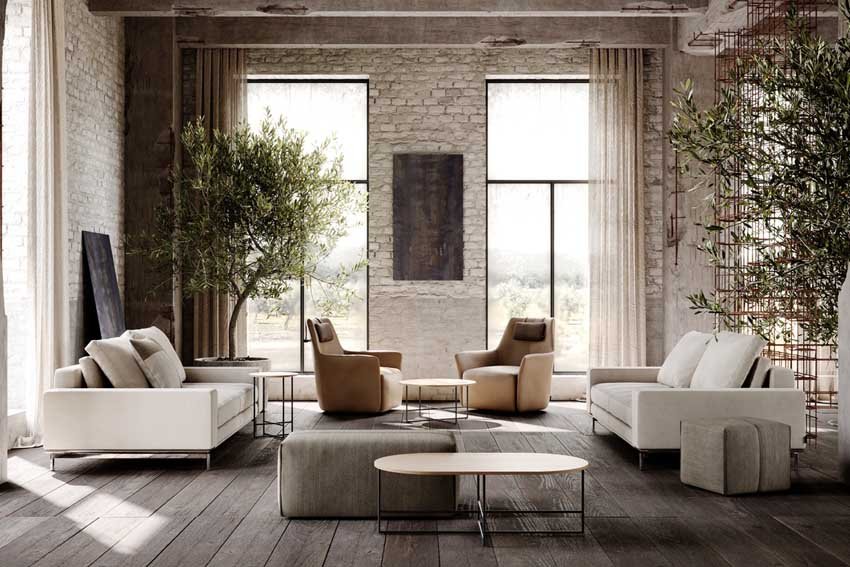

Modern home interior design is about creating spaces that feel comfortable, practical, stylish, and visually balanced. A modern home does not have to be expensive or filled with designer furniture. Instead, it focuses on thoughtful planning, clean lines, useful furniture, natural light, simple colors, and carefully selected decorative elements.
Whether you are decorating a newly built house, renovating an apartment, or simply refreshing one room, modern interior design can help transform an ordinary space into an attractive and comfortable home. The best modern interiors combine beauty with functionality. Every piece of furniture and decoration should have a purpose while contributing to the overall appearance of the room.
In this article, we will explore 20 modern home interior design ideas that can be used in living rooms, bedrooms, dining rooms, kitchens, bathrooms, hallways, and other areas of the home. These ideas range from simple changes, such as choosing a neutral color palette, to larger projects, such as creating an open-plan living area.
1. Choose a Neutral Color Palette
One of the most recognizable features of modern interior design is the use of neutral colors. Shades such as white, cream, beige, gray, taupe, and soft brown can create a calm and sophisticated atmosphere.
Neutral colors are particularly useful because they provide a flexible background for furniture and accessories. Instead of painting every wall a bright color, homeowners can use soft tones and introduce stronger colors through cushions, artwork, rugs, curtains, or decorative objects.
A white or light-gray wall can make a room appear larger and brighter. Beige and cream can create warmth, while darker gray or charcoal can add depth.
However, a neutral room does not have to be boring. You can combine different textures to make the space interesting. For example, a beige sofa can be placed against a cream wall with a textured rug, wooden coffee table, and woven cushions.
How to use neutral colors
- Use white or cream for major walls.
- Choose beige or gray furniture.
- Add natural wood for warmth.
- Introduce small amounts of black for contrast.
- Use colorful accessories sparingly.
- Combine different textures to prevent the room from looking flat.
A neutral palette also makes future decorating easier because furniture and accessories can be changed without repainting the entire room.
2. Create an Open and Airy Living Space
Modern homes often emphasize openness. Instead of dividing every area with walls, designers frequently use open layouts that allow different spaces to connect naturally.
An open-plan living room can combine the sitting area, dining area, and kitchen into one visually connected space. This arrangement can make a home feel larger and can improve interaction between family members.
Furniture can be used to define different zones without constructing walls. For example, a sofa can separate the living room from the dining area. A large rug can visually identify the seating zone, while pendant lighting can highlight the dining table.
Open spaces also benefit from natural light. Large windows, glass doors, and light-colored walls can help distribute daylight throughout the room.
When designing an open space, it is important to maintain visual consistency. Similar colors, materials, and design elements should appear across the connected areas.
3. Add Natural Wood Elements
Natural wood is an excellent material for modern interiors because it adds warmth to otherwise simple spaces.
Modern design often includes clean lines and neutral colors, which can sometimes make a room feel cold. Wood helps balance this effect.
You can introduce wood through flooring, furniture, wall panels, shelves, doors, ceiling details, or decorative accessories.
Light-colored woods can create a Scandinavian-inspired appearance, while darker woods can produce a richer and more sophisticated atmosphere.
For example, a modern living room might feature a light-gray sofa, white walls, a wooden coffee table, and a wooden TV console. The combination is simple but visually warm.
Wood can also be used in bedrooms. A wooden bed frame, bedside tables, and flooring can create a comfortable and relaxing environment.
The key is to avoid using too many unrelated wood tones. Choosing one or two complementary shades generally creates a more coordinated appearance.
4. Use Statement Lighting
Lighting is one of the most important elements of modern interior design. A beautiful room can lose its impact if it has poor lighting.
Modern interiors often combine several types of lighting rather than relying on one central ceiling fixture.
Three useful lighting layers
Ambient lighting:
Provides general illumination for the room.
Task lighting:
Provides focused light for activities such as reading, cooking, studying, or working.
Accent lighting:
Highlights artwork, architectural details, shelves, plants, or decorative objects.
Pendant lights can make a dining room more interesting. Recessed lights can provide clean general illumination. Floor lamps can create a comfortable reading corner, while LED strips can highlight shelves or cabinets.
A statement light fixture can also function as a decorative centerpiece. A sculptural pendant above a dining table or a large contemporary chandelier in a living room can immediately attract attention.
5. Bring Nature Indoors with Houseplants
Indoor plants are an easy way to make a modern home feel fresh and welcoming.
Plants introduce natural color and texture while helping soften the hard surfaces commonly found in contemporary interiors.
Large plants can be used in empty corners, while smaller plants can be placed on shelves, tables, or windowsills.
Some popular indoor choices include:
- Snake plants
- Pothos
- Rubber plants
- Peace lilies
- Spider plants
- ZZ plants
- Fiddle-leaf figs
The choice of plant should depend on the amount of available light and the care requirements.
Planters are also part of the interior design. Simple ceramic, concrete, metal, or woven planters can complement a modern aesthetic.
For homeowners who do not have enough natural light or time for plant care, high-quality artificial plants can provide a similar decorative effect.
6. Design a Minimalist Living Room
Minimalism and modern interior design often work well together. A minimalist living room focuses on essential furniture and avoids unnecessary clutter.
Instead of filling the room with numerous decorative objects, choose a few carefully selected pieces.
A modern minimalist living room might include:
- A comfortable sofa
- A simple coffee table
- A television console
- One large rug
- A few cushions
- A floor lamp
- One or two pieces of artwork
Furniture with simple shapes and clean lines works particularly well.
Storage is also important. Built-in cabinets and closed storage can keep everyday items hidden and maintain a clean appearance.
Minimalism does not mean the room must feel empty. Soft textiles, wood, plants, artwork, and warm lighting can make the space comfortable while maintaining visual simplicity.
7. Create a Cozy Modern Bedroom
The bedroom should be peaceful, comfortable, and relaxing. Modern bedroom design can achieve this through simple furniture, soft colors, layered textiles, and controlled lighting.
Start with a comfortable bed as the main focal point. A simple upholstered headboard can provide a sophisticated appearance.
Choose bedding in neutral or soft colors. Layer sheets, blankets, pillows, and a throw to create depth.
Bedside tables should provide enough space for essential items without becoming cluttered.
Lighting is particularly important in bedrooms. Instead of using only a bright ceiling light, consider bedside lamps or wall-mounted reading lights.
Curtains can also influence the atmosphere. Floor-length curtains can make the room feel taller and more elegant.
A modern bedroom should balance visual simplicity with physical comfort.
8. Use Large Mirrors to Increase Visual Space
Mirrors are an effective interior design tool, especially in smaller homes.
A large mirror can reflect natural and artificial light, making a room appear brighter and more spacious.
In a small living room, a large mirror can be placed opposite a window to reflect daylight. In a hallway, a tall mirror can make a narrow area feel more open.
Modern mirrors are available in many shapes and frame materials. Frameless mirrors offer a minimalist appearance, while black, brass, or wooden frames can add character.
A large round mirror above a console table can create an attractive entryway. A full-length mirror in a bedroom can provide both decorative and practical value.
However, mirrors should be positioned thoughtfully. Avoid placing them where they reflect clutter or visually confusing areas.
9. Create a Functional Home Office
Working from home has made dedicated workspace design increasingly important.
A modern home office does not need to occupy an entire room. A small desk in a quiet corner can become an effective workspace.
Choose a desk that provides enough room for your computer and essential items. Pair it with an ergonomic chair that supports comfortable working.
Natural light can improve the atmosphere of a workspace. If possible, position the desk near a window while avoiding direct glare on the computer screen.
Storage can be provided through floating shelves, cabinets, drawers, and organizers.
Keep the desk relatively uncluttered. Cable management is especially important in a modern office because visible cables can make an otherwise clean workspace appear messy.
Add a plant, simple artwork, or a desk lamp to make the workspace more attractive.
10. Install Floating Shelves
Floating shelves are a practical and stylish storage solution.
Unlike large cabinets, floating shelves occupy relatively little visual space. They can display books, plants, photographs, artwork, ceramics, and other decorative objects.
In a living room, floating shelves can be installed around a television or on an empty wall.
In a kitchen, they can hold frequently used dishes or decorative containers.
In a bedroom, they can replace traditional bedside storage in smaller spaces.
The key to attractive shelf styling is balance. Avoid filling every inch with objects. Leave some empty space between items.
You can combine objects of different heights and textures to create a more interesting arrangement.
11. Design a Modern Kitchen with Clean Lines
The kitchen is one of the most important areas of a modern home.
Modern kitchens often feature flat-front cabinets, simple hardware, integrated appliances, and clean countertops.
White, gray, beige, black, and natural wood are common choices.
An island can provide additional preparation space, storage, and seating. If space is limited, a smaller peninsula or compact breakfast counter can serve a similar purpose.
Keep countertops relatively clear. Store appliances that are not used every day inside cabinets where possible.
Lighting should include general illumination as well as task lighting over countertops and cooking areas.
Materials should also be practical. Kitchen surfaces need to withstand heat, moisture, stains, and frequent cleaning.
A successful modern kitchen therefore combines appearance with durability.
12. Add Texture Instead of Excessive Decoration
Modern interiors can sometimes appear too plain if they rely heavily on smooth surfaces.
Texture can solve this problem without creating clutter.
Consider combining:
- Soft fabric
- Natural wood
- Stone
- Glass
- Metal
- Woven materials
- Textured rugs
- Linen curtains
- Upholstered furniture
For example, a room with white walls and a gray sofa can become much more interesting when combined with a woven rug, wooden table, linen curtains, and ceramic accessories.
Texture creates visual depth while keeping the color palette simple.
This is particularly useful when designing neutral interiors.
13. Create an Accent Wall
An accent wall can become a focal point without changing the entire room.
There are many ways to create one. Paint is the simplest option, but wallpaper, wood panels, stone, textured plaster, or decorative molding can also be used.
In a bedroom, the wall behind the bed is a natural location for an accent wall.
In a living room, the television wall or sofa wall can be used.
The accent material should complement the rest of the room rather than compete with it.
For example, if the furniture is neutral, a warm earthy tone or natural wood wall can provide contrast.
A darker accent wall can add depth, while a lighter textured wall can create subtle interest.
14. Choose Furniture with Clean Shapes
Furniture has a major influence on the appearance of a modern home.
Modern furniture often features straight lines, simple curves, and limited ornamentation.
When choosing furniture, consider both appearance and proportion. A large sectional sofa may look impressive in a large living room but can overwhelm a small space.
Likewise, a tiny coffee table may look lost in a large seating area.
Measure the room before buying furniture. Leave enough space for comfortable movement between pieces.
Furniture should also reflect the way the household uses the space.
For example, a family living room may require durable seating and practical storage, while a formal sitting room may prioritize appearance.
The most attractive modern interior is one that works well for everyday life.
15. Use a Modern Gallery Wall
Artwork gives personality to a home.
A gallery wall allows several photographs, prints, paintings, or other artworks to be displayed together.
There are different approaches to gallery-wall design. You can use matching frames for a coordinated appearance or mix different frames for a more relaxed look.
Before hanging artwork, plan the arrangement on the floor. Consider the overall shape and spacing.
The center of the arrangement should generally be positioned at a comfortable viewing height.
A gallery wall can be used in:
- Living rooms
- Bedrooms
- Hallways
- Staircases
- Home offices
- Dining areas
Choose artwork that reflects your personality rather than simply following trends.
16. Design a Stylish Modern Bathroom
Bathrooms can also benefit from modern interior design principles.
A contemporary bathroom may feature clean tiles, floating vanities, frameless glass shower screens, simple mirrors, and minimal hardware.
Light colors can make a small bathroom appear more spacious. Large-format tiles can reduce the number of visible grout lines and create a cleaner appearance.
Wood-look materials can introduce warmth, while stone or stone-look surfaces can create a sophisticated appearance.
Storage should be carefully planned because bathrooms often contain many small items.
A wall-mounted vanity can make the floor appear more open. Recessed medicine cabinets can provide storage without taking up much space.
Good lighting is essential, especially around the mirror.
17. Create a Comfortable Dining Area
A modern dining area should be both attractive and practical.
The dining table is naturally the main focal point. Choose a table size that suits the room and the number of people who regularly use it.
Wooden tables provide warmth, while glass and metal can create a lighter contemporary appearance.
Dining chairs should be comfortable enough for extended meals and conversations.
Pendant lighting above the table can visually define the dining area in an open-plan home.
A simple centerpiece can complete the table. Options include flowers, greenery, candles, or a decorative bowl.
Avoid overcrowding the dining table with permanent decorations because it should remain functional.
18. Make Small Spaces Work Efficiently
Modern interior design is particularly useful in small homes because it emphasizes functionality.
Every piece of furniture should have a purpose.
Consider furniture that provides multiple functions. Examples include:
- Storage beds
- Extendable dining tables
- Ottoman storage
- Foldable desks
- Modular sofas
- Wall-mounted desks
- Built-in cabinets
Vertical storage can also make better use of limited floor space.
Light colors, mirrors, and good lighting can make compact rooms feel more open.
Avoid purchasing furniture simply because it looks attractive. Measure the room and consider how the furniture will affect movement.
A well-designed small room can be more comfortable than a poorly planned large room.
19. Introduce Black Accents for Contrast
Black can be a powerful accent color in modern interior design.
Used carefully, black adds definition and contrast to light interiors.
Black can appear through:
- Window frames
- Light fixtures
- Furniture legs
- Door handles
- Picture frames
- Faucets
- Shelving
- Decorative objects
For example, a cream living room with a black floor lamp and black-framed artwork can look more visually defined.
The key is balance. Too much black can make a small or poorly lit room feel heavy.
Use black as an accent rather than covering every surface.
20. Focus on Comfort and Personal Style
Perhaps the most important modern interior design idea is to create a home that feels comfortable and reflects the people who live there.
Interior design should not simply copy photographs from magazines or social media. A beautiful home must also work for everyday life.
Choose furniture that is comfortable. Use materials that are practical for your household. Display objects that have personal meaning.
Family photographs, travel souvenirs, favorite books, artwork, plants, and handmade objects can give a modern home personality.
You can follow modern design principles while still creating a unique environment.
The goal is not perfection. The goal is a home that feels organized, attractive, welcoming, and useful.
How to Combine Modern Design Ideas
Using individual ideas is helpful, but combining them thoughtfully can produce a stronger overall design.
For example, a modern living room could combine:
- Neutral walls
- A comfortable gray sofa
- A natural wood coffee table
- A textured rug
- Black lighting fixtures
- Indoor plants
- Minimal artwork
- Floating shelves
- Warm accent lighting
- Hidden storage
These elements work together because they share a similar visual language.
Avoid introducing too many unrelated styles in one room. A modern interior can include traditional, rustic, Scandinavian, industrial, or contemporary influences, but the combinations should feel intentional.
Modern Interior Design for Different Rooms
Modern Living Room
The living room is usually the social center of the home. Start with comfortable seating and arrange furniture to encourage conversation.
A large rug can connect the seating pieces visually. Add a coffee table, appropriate lighting, artwork, and plants.
Keep unnecessary clutter hidden using cabinets or storage furniture.
Modern Bedroom
Prioritize comfort. Use a simple bed, soft bedding, warm lighting, and limited decoration.
Neutral colors are particularly effective in bedrooms because they can create a peaceful atmosphere.
Modern Kitchen
Focus on storage, workflow, lighting, and durable materials.
Keep the countertop organized and select cabinet hardware that complements the overall design.
Modern Bathroom
Use simple surfaces, effective lighting, and practical storage.
A large mirror and glass shower can help create a more spacious appearance.
Modern Dining Room
Select a proportional table, comfortable chairs, and a suitable overhead light.
Keep the decorative arrangement simple enough that the table remains practical.
Modern Home Office
Choose an ergonomic chair and functional desk. Add organized storage and sufficient task lighting.
Modern Interior Design on a Budget
Creating a modern home does not necessarily require a large budget.
One of the easiest ways to change the appearance of a room is to reorganize existing furniture.
Painting walls can also create a significant visual difference.
Other affordable changes include:
- Replacing old cushions
- Adding a modern rug
- Installing new cabinet handles
- Adding plants
- Changing curtains
- Installing better lighting
- Using decorative mirrors
- Organizing open shelves
- Removing unnecessary clutter
- Creating a simple gallery wall
Instead of replacing everything at once, improve the room gradually.
Invest more money in items that receive frequent use, such as a sofa, mattress, dining chairs, or office chair. Decorative accessories can often be purchased at lower prices.
Common Modern Interior Design Mistakes
Even a good design concept can fail if the space is not planned properly.
Using Too Much Decoration
Modern design depends on visual simplicity. Too many accessories can make a room feel cluttered.
Choosing Furniture That Is Too Large
Always consider room dimensions before purchasing furniture.
Ignoring Lighting
A room can have beautiful furniture but still look unattractive if the lighting is poor.
Using Only One Color
A completely monochromatic room can appear flat. Add texture and subtle contrast.
Ignoring Storage
Clutter quickly destroys a clean modern appearance. Plan storage from the beginning.
Following Trends Too Closely
Trends change. A timeless design with personal touches can remain attractive for many years.
Sacrificing Comfort for Appearance
A chair or sofa should not be selected only because it looks good. Comfort matters in everyday life.
Tips for Creating a Timeless Modern Home
A timeless modern interior does not need to follow every current trend.
Choose simple furniture shapes that are likely to remain useful for many years.
Use neutral foundational colors and add personality through accessories that can easily be changed.
Natural materials such as wood and stone can provide lasting appeal.
Quality also matters. It is often better to purchase fewer well-made pieces than many inexpensive items that need frequent replacement.
Keep the layout flexible so the room can adapt as your needs change.
Most importantly, design around your lifestyle.
If you enjoy reading, create a comfortable reading corner. If you work from home, prioritize the office. If you frequently entertain guests, provide flexible seating and a practical dining area.
The Role of Natural Light
Natural light is an important part of modern interior design.
Large windows can make rooms feel brighter and more open. Avoid blocking windows with oversized furniture.
Light-colored curtains can allow daylight into the room while providing privacy.
Mirrors can reflect daylight into darker areas.
Furniture placement should also consider sunlight. For example, a workspace near a window may benefit from natural light, but the computer screen should be positioned to reduce glare.
Natural light can also make colors appear differently throughout the day, so consider testing paint samples under different lighting conditions before making a final decision.
Choosing Modern Materials
Modern interiors commonly combine several materials rather than relying on one.
Wood
Adds warmth and natural character.
Glass
Creates a light and open appearance.
Metal
Adds structure and contemporary detail.
Stone
Provides durability and a sophisticated appearance.
Fabric
Introduces softness and comfort.
Ceramic
Works well for accessories, tiles, and bathroom surfaces.
The best results often come from combining contrasting materials. For example, smooth glass can be paired with warm wood, while metal can be combined with soft textiles.
Modern Interior Design and Sustainability
A modern home can also be designed with sustainability in mind.
Choose durable furniture that does not need to be replaced frequently.
Whenever possible, consider responsibly sourced wood and long-lasting materials.
Energy-efficient lighting can reduce electricity consumption.
Plants can bring natural elements indoors, while natural ventilation can improve comfort when weather conditions allow.
Buying fewer, better-quality products can also reduce waste.
Instead of redesigning a room every year, choose a flexible foundation and update smaller accessories when you want a new appearance.
Final Thoughts
Modern home interior design is not simply about making a house look fashionable. It is about creating spaces that are comfortable, functional, organized, and visually pleasing.
The 20 modern home interior design ideas discussed in this article provide many ways to improve different areas of a home. Neutral colors can establish a calm foundation, while natural wood can add warmth. Statement lighting can create atmosphere, plants can introduce nature, and mirrors can improve the visual sense of space.
Modern kitchens benefit from clean lines and practical storage, while bedrooms can become more relaxing through soft colors and layered textiles. Home offices can be made more productive with organized workspaces, and bathrooms can become more sophisticated through simple materials and thoughtful lighting.
The most successful interiors are not necessarily the most expensive. Good design comes from understanding the space, choosing suitable furniture, controlling clutter, and creating a balance between beauty and functionality.
Whether you live in a large house, a small apartment, or a compact studio, modern design principles can help you create a home that feels welcoming and personal.
Start with one room. Choose a simple color palette, remove unnecessary clutter, improve the lighting, add useful furniture, introduce natural materials, and include a few decorative elements that reflect your personality. Over time, these small improvements can transform the entire home.
Ultimately, a modern home should not feel like a showroom. It should feel like your home—comfortable enough for everyday living, organized enough to function efficiently, and beautiful enough to make you enjoy the space around you.