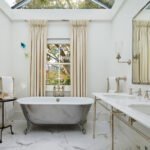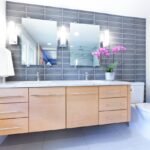


Choosing the right bathroom color can completely change the appearance, atmosphere, and functionality of a modern home. A bathroom may be one of the smaller rooms in a house, but its design has a major influence on the overall interior style. The right combination of wall colors, tiles, cabinets, flooring, fixtures, lighting, and accessories can make a bathroom feel larger, brighter, cleaner, warmer, and more comfortable.
Modern bathroom design is no longer limited to plain white walls and simple fixtures. Homeowners now have countless color possibilities, ranging from soft neutrals and warm beige to deep green, navy blue, charcoal, earthy brown, muted pink, and elegant black. However, having many choices can also make selecting the right color more difficult.
The best bathroom color is not necessarily the most fashionable color. It is the color that works well with the size of your bathroom, natural light, artificial lighting, flooring, fixtures, furniture, personal preferences, and overall home design.
This guide explains how to choose the best bathroom color ideas for a modern home. It covers color psychology, small and large bathrooms, tile colors, cabinet colors, accent walls, lighting, combinations, mistakes to avoid, and practical ideas for creating a beautiful contemporary bathroom.
Why Bathroom Color Matters
Color is one of the easiest ways to change the character of a bathroom. Before purchasing paint or tiles, it is important to understand how color influences the appearance of the space.
A light color can make a small bathroom appear more open. A darker shade can create a dramatic and sophisticated atmosphere. Warm colors can make a bathroom feel welcoming, while cool colors often create a fresh and relaxing environment.
Color also affects how other bathroom elements look. A white bathtub can appear different against a dark wall than it does against a pale wall. Wooden cabinets can look warm and natural against beige but more contemporary against charcoal or green.
Because bathrooms contain many hard surfaces, such as ceramic, glass, stone, metal, and tile, the wall color helps balance these materials.
How to Start Choosing a Bathroom Color
The easiest way to choose a bathroom color is to avoid selecting paint or tiles immediately. Start by analyzing the room.
Look at:
- Bathroom size
- Ceiling height
- Natural light
- Artificial lighting
- Existing tiles
- Flooring
- Vanity color
- Countertop material
- Shower design
- Bathtub color
- Metal fixtures
- Door color
- Overall home style
If you already have expensive tiles or fixtures, choose a wall color that complements them instead of trying to replace everything.
If you are designing the bathroom from scratch, you have more freedom to create a complete color palette.
A simple approach is to choose three levels of color:
- Main color
- Secondary color
- Accent color
For example, a modern bathroom might use warm white as the main color, light wood as the secondary color, and matte black as the accent.
This creates a balanced appearance without making the bathroom visually overwhelming.
Best Modern Bathroom Color Ideas
There is no single perfect bathroom color. Different homes require different combinations. The following ideas can help you find a style that suits your space.
1. Classic White Bathroom
White remains one of the most popular bathroom colors because it creates a clean and spacious appearance.
A white bathroom can work particularly well in small spaces because light surfaces reflect light and visually open the room.
However, an entirely white bathroom can sometimes feel cold or plain. To avoid this, combine different textures.
You can use:
- White wall tiles
- White paint
- Light wood cabinets
- Stone countertops
- Warm lighting
- Green plants
- Black or brass fixtures
The result can be modern without feeling sterile.
2. Warm Beige Bathroom
Beige is an excellent option for homeowners who want a softer alternative to white.
Modern beige bathrooms can look sophisticated when combined with natural materials.
Consider pairing beige walls with:
- Cream tiles
- Wooden cabinets
- Stone flooring
- Brass fixtures
- Warm white lighting
Beige is especially useful when you want the bathroom to feel comfortable and relaxing.
3. Soft Gray Bathroom
Gray is another versatile modern bathroom color.
Light gray works well for contemporary interiors because it provides more visual depth than white while maintaining a bright appearance.
A light gray bathroom can be paired with:
- White fixtures
- Gray floor tiles
- Chrome hardware
- Black accessories
- Natural wood
For a more dramatic look, medium or dark gray can be used on an accent wall.
4. Charcoal Gray Bathroom
Charcoal gray creates a bold and sophisticated atmosphere.
It works particularly well in larger bathrooms with sufficient lighting.
A charcoal bathroom can be balanced with:
- White bathtub
- White sink
- Light flooring
- Large mirrors
- Metallic fixtures
- Warm lighting
Using charcoal on every wall may make a small bathroom feel enclosed, so consider using it selectively.
5. Navy Blue Bathroom
Navy blue is a strong choice for homeowners who want a rich and elegant bathroom.
Unlike extremely bright blue, navy provides depth without appearing overly colorful.
Navy works beautifully with:
- White
- Brass
- Gold
- Light gray
- Natural wood
- Marble-style surfaces
One popular approach is to use navy on the vanity wall while keeping the remaining walls lighter.
6. Light Blue Bathroom
Light blue creates a fresh and peaceful atmosphere.
It is particularly suitable for bathrooms inspired by coastal, Scandinavian, or spa-style interiors.
Soft blue can be paired with:
- White
- Light gray
- Pale wood
- Silver fixtures
- Natural stone
This combination can make the bathroom feel clean and relaxing.
7. Sage Green Bathroom
Sage green has become a popular choice for modern interiors because it brings a natural feeling indoors.
It is softer than strong emerald green and can work well with neutral colors.
Combine sage green with:
- Cream
- White
- Beige
- Natural wood
- Matte black
- Brushed brass
Plants can further strengthen the natural appearance.
8. Dark Green Bathroom
Deep green can create a luxurious and dramatic bathroom.
It is especially effective when used as an accent color.
For example, dark green wall tiles can be combined with white sanitary fixtures and warm brass hardware.
Large mirrors can also help reflect light and prevent the room from feeling too dark.
9. Earthy Brown Bathroom
Brown can create a warm, natural atmosphere when used correctly.
Modern bathrooms often use earthy shades inspired by wood, clay, stone, and natural soil.
Brown can be paired with:
- Cream
- Beige
- Warm white
- Terracotta
- Brass
- Natural wood
Avoid using too many dark brown surfaces in a small bathroom because they can make the room feel visually heavy.
10. Terracotta Bathroom
Terracotta adds warmth and personality to a bathroom.
This color works particularly well in homes influenced by Mediterranean, earthy, or contemporary design.
Terracotta tiles can be combined with cream walls, wood cabinets, and brass fixtures.
Because terracotta is visually strong, neutral colors should generally surround it.
11. Black and White Bathroom
Black and white is a timeless combination.
It creates a strong visual contrast and works well with modern architecture.
For example:
- White walls
- Black floor tiles
- Black vanity
- White sink
- Black mirror frame
The key is balance. Too much black can make a bathroom feel smaller, while too much white can reduce contrast.
12. Cream and White Bathroom
Cream and white create a softer version of a traditional light bathroom.
This combination works particularly well in bathrooms where you want a warm and elegant appearance.
Cream walls can be paired with white fixtures and light wood.
Warm lighting enhances this palette.
13. Greige Bathroom
Greige is a combination of gray and beige.
It has become popular because it provides the neutrality of gray with some of the warmth of beige.
Greige can work with:
- White
- Cream
- Wood
- Stone
- Black
- Brass
It is a particularly useful color for homeowners who want a neutral bathroom without using plain white.
How Bathroom Size Affects Color Choice
Bathroom size should always be considered before selecting a color.
Colors for Small Bathrooms
Small bathrooms generally benefit from lighter colors.
Good choices include:
- White
- Cream
- Soft beige
- Pale gray
- Light blue
- Soft green
- Light greige
These colors can help reflect available light.
However, small bathrooms do not have to be completely white. You can still use darker colors strategically.
For example, a small bathroom might feature light walls with a dark green vanity or black fixtures.
Colors for Large Bathrooms
Large bathrooms provide more freedom.
You can use:
- Navy
- Charcoal
- Deep green
- Brown
- Terracotta
- Dark blue
- Black accents
Large rooms can support stronger colors without feeling as enclosed.
However, even a large bathroom should have visual balance.
How Natural Light Changes Bathroom Colors
Natural light can dramatically change how a color appears.
A bathroom with a large window may look completely different from a bathroom without windows, even if both use the same paint.
Before finalizing a color, observe the bathroom at different times of the day.
Morning sunlight can make colors appear warmer.
Afternoon light can make colors look brighter.
Evening lighting can change the appearance again.
If possible, purchase sample paint and test it on the wall before painting the entire room.
Choosing Colors for Bathrooms Without Windows
Bathrooms without windows require more attention to artificial lighting.
If the bathroom is dark, lighter colors are generally easier to work with.
Good choices include:
- Warm white
- Soft cream
- Light beige
- Pale gray
- Light greige
- Soft blue
Mirrors are also important because they reflect artificial light.
A large mirror above the vanity can make a windowless bathroom appear brighter and more spacious.
Bathroom Ceiling Color Ideas
The ceiling is often ignored when people plan bathroom colors.
White is a safe option because it creates a bright and clean appearance.
However, the ceiling does not always need to be pure white.
A very pale version of the wall color can create a more cohesive appearance.
For example, if the walls are light sage green, a very soft green-white ceiling can create continuity.
In bathrooms with low ceilings, lighter ceiling colors can help maintain an open feeling.
Choosing the Right Bathroom Tile Color
Tiles are often more important than paint because they cover a large portion of the bathroom.
When choosing tile colors, think about both appearance and maintenance.
White tiles are timeless and easy to combine with other colors.
Gray tiles offer a contemporary appearance.
Beige tiles create warmth.
Dark tiles create drama but may show dust, water marks, or soap residue more clearly depending on their finish.
Patterned tiles can add personality but should generally be balanced with simpler walls and fixtures.
Bathroom Floor Color Ideas
The floor should support the overall color scheme rather than compete with it.
Popular options include:
- Light gray
- Charcoal
- Beige
- Stone
- Wood-look tile
- Black and white patterns
- Warm brown
For a small bathroom, a floor color that is close to the wall color can create a more continuous appearance.
Dark floors can provide contrast and make white fixtures stand out.
Modern Bathroom Color Combinations
Using two or three colors is often more effective than using one color everywhere.
White and Wood
White walls with natural wood cabinets create a warm modern bathroom.
Gray and White
Gray tiles with white fixtures create a clean contemporary appearance.
Beige and Black
Beige provides warmth while black adds contrast.
Navy and White
Navy creates depth while white keeps the room bright.
Green and Cream
Green brings a natural feeling while cream creates softness.
Charcoal and White
This combination creates strong contrast and a sophisticated atmosphere.
Terracotta and Cream
This palette creates warmth and an earthy appearance.
Greige and Black
Greige provides a neutral foundation while black adds modern contrast.
How to Choose a Bathroom Accent Color
An accent color should attract attention without dominating the entire room.
You can introduce an accent through:
- One wall
- Vanity
- Shower tiles
- Floor pattern
- Mirror frame
- Towels
- Artwork
- Decorative accessories
- Storage baskets
For example, a neutral bathroom can use deep green towels and plants as accents.
This allows you to change the appearance later without repainting the entire room.
Choosing Bathroom Vanity Colors
The vanity is often one of the largest pieces of furniture in a bathroom.
Popular vanity colors include:
- White
- Light wood
- Walnut
- Gray
- Black
- Sage green
- Navy blue
A wooden vanity works well with beige, white, green, and gray.
A black vanity can create a dramatic modern appearance.
A white vanity is flexible and can work with almost any wall color.
Matching Bathroom Fixtures With Colors
Fixtures such as faucets, shower hardware, handles, and towel bars also influence the color scheme.
Common finishes include:
- Chrome
- Brushed nickel
- Matte black
- Brass
- Gold
- Bronze
Matte black fixtures work particularly well with white, gray, beige, green, and wood.
Brass works beautifully with warm colors such as cream, beige, terracotta, and green.
Chrome provides a clean and traditional appearance.
The Role of Bathroom Mirrors
A mirror is not only functional; it is also part of the color scheme.
A black-framed mirror can strengthen a modern black-and-white palette.
A wood-framed mirror can add warmth.
A brass-framed mirror can create a luxurious feeling.
In small bathrooms, a large mirror can also increase the sense of space by reflecting light and surrounding surfaces.
Bathroom Lighting and Color
Lighting can make or break a bathroom color scheme.
Warm lighting generally makes beige, cream, brown, and terracotta appear warmer.
Cooler lighting can make whites and blues appear cleaner and brighter.
Instead of relying on one ceiling light, consider multiple layers of lighting.
These can include:
- Ceiling lighting
- Vanity lighting
- Mirror lighting
- Shower lighting
- Accent lighting
Good lighting allows colors to appear more naturally and makes the bathroom more functional.
How to Create a Spa-Like Bathroom With Color
If your goal is a relaxing spa atmosphere, use soft and natural colors.
Consider:
- Warm white
- Cream
- Beige
- Soft green
- Pale blue
- Light gray
- Natural wood
Avoid excessive visual contrast.
Use simple accessories, soft towels, natural textures, and gentle lighting.
Plants can also enhance the relaxing appearance if the bathroom environment supports them.
How to Create a Luxury Bathroom With Color
Luxury does not require extremely expensive materials.
Color can help create an elegant appearance.
Try combinations such as:
- White and brass
- Cream and gold
- Charcoal and white
- Dark green and brass
- Navy and gold
- Beige and black
Large-format tiles can also create a more continuous appearance by reducing the number of visible grout lines.
Modern Minimalist Bathroom Colors
Minimalist bathrooms usually benefit from simple color palettes.
A minimalist palette might include:
- White
- Warm gray
- Beige
- Greige
- Light wood
- Black accents
The goal is not to eliminate color completely but to reduce unnecessary visual complexity.
A minimalist bathroom should feel calm and organized.
Scandinavian Bathroom Color Ideas
Scandinavian-inspired bathrooms often use light colors and natural materials.
Good options include:
- White
- Pale gray
- Light beige
- Soft blue
- Light green
- Natural wood
Black accents can provide contrast without overwhelming the room.
Contemporary Bathroom Color Ideas
Contemporary bathrooms can use a wider range of colors.
Try:
- Greige walls
- Charcoal tiles
- Black fixtures
- Natural wood
- Deep green
- Navy
The key is to create a coordinated palette.
Coastal Bathroom Color Ideas
Coastal bathrooms often use light, fresh colors.
Popular choices include:
- White
- Pale blue
- Sea green
- Sand beige
- Soft gray
Natural textures such as wood and woven materials can complete the design.
Industrial Bathroom Colors
Industrial bathrooms often use darker colors and raw materials.
Suitable colors include:
- Charcoal
- Black
- Concrete gray
- Brown
- Dark green
- Off-white
Metal fixtures and exposed-looking materials can strengthen the industrial style.
Choosing Colors for a Family Bathroom
A family bathroom should be practical as well as attractive.
Neutral colors can be useful because they work for different preferences.
White, gray, beige, and soft green are flexible choices.
You can add personality through towels, artwork, storage containers, and accessories.
Choosing Colors for a Guest Bathroom
A guest bathroom can be an opportunity to experiment.
Because guests typically spend less time in the room, you can use stronger colors or decorative patterns.
Consider:
- Navy
- Deep green
- Terracotta
- Charcoal
- Patterned tile
- Dark accent walls
A small guest bathroom can become an attractive feature of the home with a carefully selected color palette.
Choosing Colors for a Master Bathroom
A master bathroom often benefits from relaxing colors.
Soft neutral colors can create a comfortable environment.
Consider:
- Beige
- Warm white
- Greige
- Sage green
- Pale blue
- Soft gray
If you prefer a luxurious appearance, introduce brass, stone, wood, or dark accent colors.
How to Use Dark Colors Correctly
Dark colors are not automatically bad for bathrooms.
The key is how they are used.
A dark color can work beautifully when combined with:
- Strong lighting
- Large mirrors
- Light flooring
- White fixtures
- Reflective surfaces
Instead of painting every wall charcoal, you might use charcoal on one wall and lighter colors elsewhere.
How to Use White Without Making the Bathroom Boring
White is versatile, but an all-white bathroom can feel flat if every surface has the same finish.
Add variety through texture.
For example:
- Glossy wall tiles
- Matte floor tiles
- Ribbed cabinet doors
- Stone countertop
- Wooden accessories
- Textured towels
Different textures make a monochromatic bathroom more interesting.
Choosing Between Warm and Cool Colors
Warm colors include:
- Beige
- Cream
- Brown
- Terracotta
- Warm white
- Some greens
Cool colors include:
- Blue
- Blue-gray
- Cool gray
- Some greens
- White with cool undertones
Warm colors often create a comfortable atmosphere.
Cool colors can feel fresh and clean.
Choose based on the mood you want to create.
Bathroom Color Ideas for Better Visual Space
If your bathroom is small, there are several color strategies that can make it appear larger.
Use:
- Light walls
- Similar wall and floor colors
- Large mirrors
- Minimal contrast
- Light ceilings
- Reflective surfaces
Avoid dividing the room visually into too many different color sections.
Continuous colors can help create a more spacious appearance.
Using Color to Highlight Architectural Features
Color can be used to draw attention to interesting features.
For example, you can use a darker shade around:
- Shower wall
- Vanity wall
- Bathtub wall
- Architectural niche
- Decorative tile section
This creates a focal point.
Bathroom Color and Maintenance
Color selection should also consider cleaning and maintenance.
Very light surfaces may show certain stains or marks.
Very dark glossy surfaces may show water spots.
Textured surfaces can collect dust and require more detailed cleaning.
Before choosing a material, consider how much maintenance you are comfortable with.
Common Bathroom Color Mistakes
Choosing Colors Only From Small Samples
A tiny paint sample can look very different when applied to an entire wall.
Test larger samples when possible.
Ignoring Lighting
A color that looks attractive in a showroom may look different in your bathroom.
Always consider your actual lighting.
Using Too Many Colors
Multiple strong colors can make a bathroom look chaotic.
Try to maintain a simple palette.
Forgetting Existing Materials
If you already have flooring or tiles, make sure the new color works with them.
Using Dark Colors Everywhere
Dark colors can be beautiful, but too much darkness can reduce the feeling of space.
Following Trends Too Closely
A trend may become less appealing over time.
Choose colors that you genuinely enjoy.
How to Choose Bathroom Colors That Stay Stylish
If you want a long-lasting design, use timeless colors for expensive permanent elements.
For example, choose neutral tiles and introduce trendy colors through paint and accessories.
This makes future updates easier.
You can change:
- Towels
- Rugs
- Artwork
- Accessories
- Paint
- Plants
without replacing expensive fixtures.
Bathroom Color Ideas on a Budget
You do not need a complete renovation to change the bathroom color.
Budget-friendly improvements include:
- Painting walls
- Replacing towels
- Adding a colorful shower curtain
- Changing cabinet handles
- Adding plants
- Installing a new mirror
- Using decorative storage
- Adding artwork
- Replacing small accessories
A carefully selected accent color can make a surprisingly large difference.
How to Select Paint Finish for a Bathroom
Bathrooms experience moisture and humidity, so paint should be appropriate for the environment.
A suitable bathroom paint should generally be designed for moisture-prone areas.
The finish also affects appearance.
Matte finishes create a soft appearance but may be less practical in some high-moisture or frequently cleaned areas.
Satin or other washable finishes are commonly considered practical choices for bathroom walls.
Always follow the manufacturer’s recommendations for the specific product and surface.
Bathroom Color Ideas for Rental Homes
If you rent your home, major renovations may not be possible.
Focus on removable or easily changed elements.
Try:
- Towels
- Shower curtains
- Rugs
- Storage baskets
- Artwork
- Plants
- Removable accessories
If painting is permitted, choose a color that can be returned to the original condition when required.
How to Choose a Bathroom Color Palette
A simple color palette can follow the 60-30-10 concept.
Approximately:
- 60% dominant color
- 30% secondary color
- 10% accent color
For example:
60% warm white
30% light wood and beige
10% matte black
This is not a strict mathematical rule. It is simply a useful design guideline.
20 Modern Bathroom Color Combinations
Here are twenty combinations worth considering:
- White and light wood
- White and charcoal
- Beige and black
- Navy and white
- Sage green and cream
- Gray and white
- Greige and black
- Terracotta and cream
- Dark green and brass
- Pale blue and white
- Cream and walnut
- Charcoal and light wood
- Soft gray and brass
- Beige and bronze
- White and navy
- Sage green and black
- Warm white and brown
- Light blue and gray
- Cream and terracotta
- Black, white, and natural wood
How to Match Bathroom Colors With Wood
Wood adds warmth to bathrooms that might otherwise feel cold.
Light wood works especially well with:
- White
- Pale gray
- Sage green
- Beige
- Light blue
Dark wood can work with:
- Cream
- Warm white
- Deep green
- Navy
- Beige
Wood-look bathroom tiles can also provide the appearance of natural wood while being designed for wet environments.
How to Match Bathroom Colors With Marble
Marble and marble-look materials often contain multiple subtle colors.
Instead of choosing a random wall color, look closely at the veins.
If the material contains warm beige veins, warm neutral wall colors may complement it.
If it contains gray veins, gray, white, or charcoal accents may work better.
How to Match Bathroom Colors With Black Fixtures
Black fixtures are highly versatile.
They can be paired with:
- White
- Beige
- Gray
- Green
- Blue
- Wood
Black fixtures are particularly effective when repeated throughout the room.
For example, a black faucet can coordinate with a black mirror frame and black cabinet handles.
How to Match Bathroom Colors With Brass Fixtures
Brass can create warmth and elegance.
It works especially well with:
- Cream
- Beige
- Green
- Navy
- Terracotta
- White
Avoid adding too many competing metallic finishes unless the design intentionally combines them.
Color Ideas for Bathroom Walls
Wall color depends on the amount of tile.
If the bathroom has large areas of tile, the painted wall color should coordinate with the tile.
For a mostly painted bathroom, the wall color can become the main design feature.
Some reliable choices include:
- Warm white
- Soft beige
- Pale gray
- Greige
- Sage green
- Pale blue
Color Ideas for Shower Areas
The shower can become a focal point.
You can use:
- Mosaic tile
- Dark accent tile
- Green tile
- Blue tile
- Marble-look tile
- Textured neutral tile
If the shower is visually strong, keep other surfaces relatively simple.
Color Ideas for Bathroom Cabinets
Cabinets are a great place to introduce color.
Popular modern choices include:
- White
- Black
- Navy
- Sage green
- Gray
- Natural wood
- Walnut
A colored vanity can provide personality without overwhelming the entire bathroom.
How Plants Affect Bathroom Color
Plants naturally introduce green into a bathroom.
If you already plan to use several plants, neutral walls may provide a better background.
White, beige, gray, and warm wood can allow greenery to stand out.
Make sure any plant selected is suitable for the bathroom’s actual light and humidity conditions.
Choosing Bathroom Colors for Different Moods
Relaxing Mood
Use:
- Soft blue
- Sage green
- Beige
- Cream
- Warm white
Energetic Mood
Use:
- Terracotta
- Rich blue
- Green
- Warm yellow accents
Luxurious Mood
Use:
- Charcoal
- Navy
- Deep green
- Cream
- Brass accents
Minimalist Mood
Use:
- White
- Gray
- Greige
- Light wood
- Black accents
How to Test Bathroom Colors Before Painting
Testing is one of the most important steps.
Paint a sample on the actual wall.
Observe it:
- In morning light
- In afternoon light
- At night
- Under bathroom lights
Do not make a final decision based solely on a digital image.
Screens display colors differently, and the same paint can appear different depending on surrounding materials.
Choosing the Right Color for Your Personal Style
Your bathroom should reflect your preferences.
If you love natural interiors, consider green, beige, cream, and wood.
If you prefer modern luxury, consider charcoal, navy, cream, black, and brass.
If you prefer minimalist interiors, use white, gray, greige, and natural wood.
If you enjoy bold interiors, consider deep green, navy, terracotta, or dramatic black accents.
The best design is one that works with your lifestyle and taste.
How to Coordinate the Bathroom With the Rest of the Home
The bathroom does not have to exactly match the living room or bedroom.
However, using related colors can create a more cohesive home.
For example, if your home uses warm beige and natural wood throughout, a bathroom using beige, cream, and wood can feel connected.
If your home uses black accents, repeating black fixtures in the bathroom can create visual consistency.
Modern Bathroom Color Trends
Modern bathrooms increasingly combine neutral backgrounds with natural colors and carefully selected accents.
Popular directions include:
- Warm neutrals
- Soft greens
- Earth-inspired colors
- Deep blue
- Natural wood
- Black accents
- Warm metallics
- Textured neutral surfaces
Trends can provide inspiration, but they should not replace personal preference.
How Color Can Improve Bathroom Photography
If your bathroom is also featured in property listings or home photography, color can affect how photographs look.
Light and neutral colors often photograph clearly and can make small bathrooms appear more open.
Strong accent colors can add personality but may dominate photographs.
Good lighting remains essential.
Final Checklist Before Choosing Bathroom Colors
Before purchasing paint, tiles, or cabinets, ask yourself:
- Is the bathroom small or large?
- How much natural light does it receive?
- What color are the existing tiles?
- What color is the flooring?
- What finish are the fixtures?
- Do I want a warm or cool atmosphere?
- Do I prefer neutral or bold colors?
- Will the color work with my lighting?
- How easy will the surfaces be to maintain?
- Is the color suitable for the overall home?
- Will I still like it several years from now?
Answering these questions can make the decision much easier.
Frequently Asked Questions
What is the best color for a modern bathroom?
There is no single best color for every bathroom. White, warm beige, light gray, greige, sage green, and soft blue are versatile choices. The best option depends on room size, lighting, materials, and personal preference.
What colors make a small bathroom look bigger?
Light colors such as white, cream, pale gray, light beige, and soft blue can help a small bathroom feel brighter and more open. Using similar colors on walls and floors can also create visual continuity.
Are dark colors good for bathrooms?
Yes. Dark colors such as charcoal, navy, and deep green can create a sophisticated appearance. They work particularly well when balanced with good lighting, mirrors, light fixtures, and lighter surfaces.
Is white still a good bathroom color?
Yes. White remains a highly flexible bathroom color. It can create a clean and bright appearance and can be combined with almost any accent color.
What colors make a bathroom feel relaxing?
Soft blue, sage green, beige, cream, warm white, and light gray can create a calm atmosphere.
What colors make a bathroom look luxurious?
Deep green, navy, charcoal, cream, white, and warm metallic accents such as brass can create an elegant appearance when carefully balanced.
Should bathroom walls and tiles match?
They do not need to match exactly. In fact, using slightly different but coordinated colors can create more visual interest.
What color vanity is best for a modern bathroom?
White, natural wood, gray, black, navy, and sage green are all versatile modern vanity choices.
Should the bathroom ceiling be white?
A white ceiling is a reliable choice because it keeps the space bright. However, a very pale version of the wall color can also create a cohesive design.
What color works best with black bathroom fixtures?
Black fixtures work well with white, beige, gray, green, blue, and natural wood.
What color works best with brass bathroom fixtures?
Brass works especially well with warm neutrals, cream, beige, green, navy, white, and earthy colors.
How many colors should a bathroom have?
A simple palette of two or three main colors is often easier to coordinate. Additional shades can be introduced through accessories and materials.
Should bathroom colors match the bedroom?
They do not need to match exactly. However, related tones can make the home feel more cohesive.
How can I add color without repainting the bathroom?
You can add color through towels, rugs, artwork, plants, shower curtains, storage baskets, cabinet handles, mirrors, and other accessories.
Are trendy bathroom colors a good choice?
Trendy colors can provide inspiration, but permanent materials are usually better selected based on long-term preferences. Trendy colors can be introduced through easily replaceable elements.
Conclusion
Choosing the best bathroom color for a modern home is about more than selecting a shade that looks attractive in a paint catalog. The right color should work with the size of the room, natural and artificial lighting, tiles, flooring, vanity, fixtures, mirrors, and the overall style of the home.
Light colors such as white, cream, beige, pale gray, and soft blue can help create a bright and spacious appearance. Deeper shades such as navy, charcoal, and dark green can add drama and sophistication when used thoughtfully. Natural colors such as sage green, beige, brown, and terracotta can create a warm and relaxing atmosphere.
The most effective bathroom designs usually have a clear color hierarchy. A dominant color provides the foundation, a secondary color adds depth, and a smaller accent color creates visual interest.
Before committing to a color, test it in the actual bathroom and observe it under different lighting conditions. Consider how the color interacts with existing materials and how much maintenance the chosen surfaces will require.
Most importantly, choose a color palette that suits your personal style and the atmosphere you want to experience every day. Whether you prefer a minimalist white bathroom, a warm beige retreat, a sophisticated charcoal space, a natural sage green design, or a bold navy bathroom, thoughtful color selection can transform an ordinary bathroom into a beautiful and comfortable part of a modern home.