
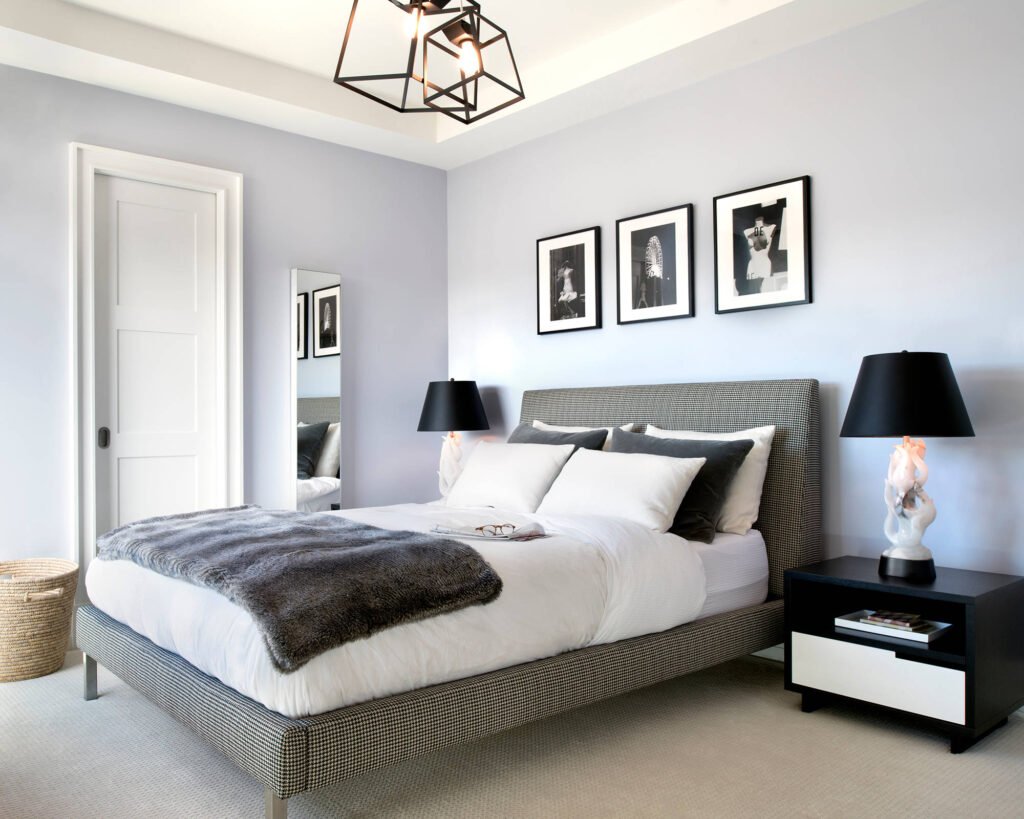

A bedroom should be more than just a place where you sleep. It should be a comfortable retreat where you can relax after a long day, read a book, spend quiet time, or simply enjoy a peaceful environment. One of the easiest ways to create this feeling is by choosing the right bedroom color combination.
Color can dramatically change the appearance and atmosphere of a bedroom. Soft colors can make a room feel calm and airy, while darker shades can create warmth, intimacy, and depth. Natural colors can bring a peaceful connection to the outdoors, while carefully selected accent colors can add personality without making the room feel busy.
Choosing bedroom colors, however, is not always simple. A color that looks beautiful in a paint catalog may appear completely different on your walls because of natural light, artificial lighting, furniture, flooring, curtains, and room size. The best bedroom color combination is therefore one that works with the entire room rather than one isolated color.
In this guide, we will explore some of the best bedroom color combinations for creating a relaxing space. You will learn how to combine wall colors, furniture, bedding, curtains, rugs, lighting, and decorative accessories to create a bedroom that feels peaceful, comfortable, stylish, and inviting.
Why Bedroom Colors Matter
Color has a powerful visual effect on a room. Although personal preferences are important, different colors can create different visual impressions.
A soft blue bedroom may feel calm and fresh. Warm beige can make a room feel cozy. Green can introduce a natural character. Cream and white can make a small bedroom appear brighter. Gray can provide a modern neutral background, while earthy brown tones can make a room feel warm and grounded.
The purpose of a relaxing bedroom is not necessarily to use pale colors everywhere. Instead, the goal is to create visual balance.
A relaxing bedroom usually benefits from:
- Comfortable colors
- Limited visual clutter
- Balanced contrast
- Soft lighting
- Natural textures
- Coordinated furniture
- Comfortable bedding
- Appropriate accent colors
The walls are often the largest area of color in the room, but they are only one part of the overall design.
Your ceiling, floor, bed, headboard, curtains, furniture, artwork, rugs, cushions, and lighting all contribute to the final appearance.
1. Soft Blue and White
Soft blue and white are among the most popular combinations for a peaceful bedroom.
Blue is commonly associated with calmness, sky, water, and open spaces. White adds brightness and keeps the room feeling clean and fresh.
A pale blue wall can become the primary color, while white can be used for:
- Bedding
- Curtains
- Ceiling
- Trim
- Furniture
- Decorative accessories
For a more sophisticated look, choose a slightly muted blue rather than an extremely bright blue.
How to use the combination
Paint the walls a soft blue and use white bedding with subtle blue pillows. Add light wood furniture to prevent the room from feeling too cold.
A woven rug, cotton bedding, and natural curtains can add texture.
Best for
This combination works particularly well in:
- Small bedrooms
- Coastal-inspired rooms
- Minimalist bedrooms
- Guest bedrooms
- Bright bedrooms
If the room receives plenty of natural sunlight, soft blue and white can create a fresh daytime atmosphere.
2. Beige and Cream
Beige and cream create one of the safest and most timeless bedroom combinations.
Unlike stark white, cream has a warmer appearance. Beige adds depth without becoming visually overwhelming.
This combination is excellent for people who want a neutral bedroom that feels comfortable rather than sterile.
Design idea
Use warm beige on the walls and cream for bedding and curtains.
Add:
- Wooden nightstands
- Soft brown cushions
- Natural fiber rugs
- Warm lighting
- Simple artwork
The result can be elegant without being complicated.
Why it works
Beige and cream have relatively low visual contrast. This allows the eye to move comfortably around the room.
If you want a peaceful bedroom that will remain attractive for many years, this combination is worth considering.
3. Sage Green and Cream
Sage green has become a popular interior color because of its soft, natural appearance.
Unlike intense green, sage green is muted and subtle. When combined with cream, it can create a bedroom that feels natural and relaxing.
Use sage green on:
- Main walls
- One accent wall
- Built-in cabinetry
- Decorative panels
Use cream for:
- Bedding
- Curtains
- Ceiling
- Upholstery
Wooden furniture complements the combination particularly well.
Add natural elements
You can strengthen the natural feeling with:
- Indoor plants
- Wooden furniture
- Woven baskets
- Linen bedding
- Rattan accessories
This creates a peaceful environment without making the room look overly themed.
4. Warm Gray and White
Gray can sometimes appear cold, but warm gray shades can create a sophisticated and comfortable bedroom.
The key is choosing a gray with warm undertones rather than a harsh, blue-toned gray.
Combine warm gray walls with white bedding and soft neutral accessories.
Furniture suggestions
Light or medium wood furniture works beautifully with warm gray.
You can also introduce:
- Cream rugs
- Beige cushions
- White lamps
- Natural wood frames
This combination is particularly suitable for modern bedrooms.
5. Dusty Blue and Beige
Dusty blue is softer than traditional blue and can create a more mature bedroom atmosphere.
Pair it with beige rather than bright white if you want the room to feel warmer.
For example:
- Dusty blue walls
- Beige upholstered bed
- Cream bedding
- Light wood furniture
- Brown decorative accents
The combination creates contrast without becoming dramatic.
Styling tip
Use different textures to keep the neutral palette interesting.
Try combining:
- Linen
- Cotton
- Wool
- Wood
- Ceramic
- Woven materials
A limited color palette does not have to mean a boring room.
6. White and Natural Wood
A white bedroom with natural wood is simple, timeless, and versatile.
White creates a clean backdrop, while wood introduces warmth.
This combination works especially well in minimalist and Scandinavian-inspired bedrooms.
Create warmth
If you use a lot of white, avoid making everything perfectly plain. Add texture through:
- Wooden flooring
- A wood headboard
- Woven baskets
- Textured blankets
- Linen curtains
- Natural rugs
The goal is to create a soft white room rather than a completely sterile white box.
7. Cream and Terracotta
Terracotta can add warmth and personality to a bedroom.
Because strong orange-red shades may feel energetic, use terracotta as an accent rather than covering every wall.
Cream can remain the dominant color.
Use terracotta in:
- Cushions
- Artwork
- Throw blankets
- Ceramic decorations
- Small furniture pieces
For a stronger look, one terracotta accent wall can also work.
Best furniture
Natural wood, walnut, and darker brown furniture can complement this combination.
This palette is particularly attractive for bedrooms inspired by Mediterranean, earthy, or contemporary interiors.
8. Pale Green and White
Pale green and white create a fresh bedroom atmosphere.
This combination can work well in rooms where you want a connection to nature without using a dark or saturated green.
Choose a gentle green for the walls and white for major furnishings.
Add small amounts of:
- Light brown
- Natural wood
- Beige
- Soft gray
These additional tones can prevent the room from looking too uniform.
9. Navy Blue and Soft White
Navy blue is a deeper and more dramatic color, but it can work beautifully in a bedroom when balanced with lighter shades.
Instead of using navy throughout the entire room, consider using it on:
- One accent wall
- Behind the bed
- Built-in cabinetry
- Upholstered furniture
Keep the remaining elements light.
Soft white bedding can provide strong visual contrast against a navy wall.
Important consideration
Dark colors can make a room feel smaller visually. If your bedroom is already small, consider using navy on one wall rather than all four walls.
Good lighting is also important.
10. Lavender and Cream
Lavender can create a gentle and elegant bedroom atmosphere.
A muted lavender works better for a relaxing bedroom than an extremely bright purple.
Combine lavender walls with cream bedding and warm wood furniture.
You can add small amounts of:
- Soft gray
- White
- Beige
- Natural wood
This combination can work particularly well in guest bedrooms and bedrooms designed with a soft, elegant character.
11. Taupe and Ivory
Taupe is a sophisticated neutral that sits between gray and brown.
When combined with ivory, it creates a warm and understated bedroom.
Taupe walls can be paired with ivory bedding, beige curtains, and natural wood furniture.
This is a useful palette if you want something more interesting than plain beige but less dramatic than dark colors.
12. Charcoal Gray and Cream
Charcoal gray creates depth and drama.
Because it is a very dark color, balance is important.
One popular approach is to use charcoal behind the bed and keep the other walls lighter.
Cream bedding can soften the appearance.
Add warm lighting to prevent the room from feeling too cold.
Wood furniture can also provide an important natural contrast.
13. Blush Pink and Warm White
Blush pink is a soft color that can bring warmth and elegance to a bedroom.
Rather than using strong pink, choose a muted blush shade.
Combine it with warm white rather than a very bright white.
Add neutral accents
You can include:
- Beige
- Light brown
- Cream
- Soft gray
- Natural wood
This keeps the room sophisticated.
Blush pink can work especially well as an accent wall or through bedding and curtains rather than being used everywhere.
14. Olive Green and Beige
Olive green has a deeper, earthy character than sage green.
When combined with beige, it creates a grounded and natural bedroom.
This palette can work particularly well with dark wood furniture.
Add cream bedding to brighten the room.
For lighting, warm white bulbs can enhance the earthy character.
15. Soft Gray and Beige
Gray and beige are sometimes called a neutral combination, but together they can create a surprisingly sophisticated bedroom.
Use one as the dominant color and the other as the supporting color.
For example:
- Warm gray walls
- Beige bedding
- Cream curtains
- Natural wood furniture
- Soft brown accessories
The combination provides subtle variation without strong contrast.
16. Sky Blue and Sand
If you like coastal-inspired interiors, sky blue and sand are excellent choices.
Sky blue provides freshness while sand-colored neutrals create warmth.
Add:
- Light wood
- White bedding
- Natural woven accessories
- Simple artwork
Avoid using too many nautical decorations if you want the room to remain contemporary.
The color combination itself can provide enough coastal inspiration.
17. Forest Green and Cream
Forest green is a rich color that can create a dramatic but relaxing bedroom when used thoughtfully.
Because it is dark, balance it with cream and natural materials.
A forest green accent wall behind the bed can become the focal point.
Use cream bedding and light-colored curtains.
Wood furniture can complete the natural atmosphere.
Best for
This combination works particularly well in:
- Large bedrooms
- Bedrooms with good natural light
- Traditional interiors
- Nature-inspired spaces
18. Warm White and Light Brown
Warm white and light brown create a comfortable and natural bedroom.
The combination is particularly effective when the colors are supported by texture.
For example:
- Warm white walls
- Light brown wooden bed
- Cream bedding
- Beige rug
- Brown cushions
- Natural woven baskets
This creates a soft, comfortable environment without requiring many colors.
19. Blue Gray and Cream
Blue gray combines the calm visual character of blue with the sophisticated appearance of gray.
It can be an excellent wall color for bedrooms.
Pair it with cream bedding and light wood furniture.
If the room receives limited natural light, use lighter blue-gray shades.
20. Cream and Soft Brown
Cream and soft brown create a warm, classic bedroom.
Brown should not necessarily dominate the room. Instead, use it through:
- Wood furniture
- Cushions
- Rugs
- Headboards
- Decorative objects
Cream can remain the primary background color.
This creates a comfortable room with a natural appearance.
How to Choose the Right Bedroom Color Combination
Choosing a color combination should begin with the room itself.
Before selecting paint, consider the following factors.
1. Room Size
Small bedrooms often benefit from lighter colors.
Colors such as:
- White
- Cream
- Pale blue
- Light green
- Soft beige
can help create a brighter appearance.
Dark colors can still be used in small bedrooms, but they should be planned carefully.
A dark accent wall can add depth without making every surface visually heavy.
2. Natural Light
Natural light can dramatically change how colors look.
A color may appear:
- Brighter in direct sunlight
- Cooler in northern light
- Warmer in afternoon light
- Darker in poorly lit rooms
Always test paint colors in the actual bedroom before committing to a complete paint job.
Observe the color at different times of day.
3. Existing Furniture
Your bedroom furniture should influence your color choices.
If you already have dark wooden furniture, very dark walls may make the room feel heavy.
Lighter walls can create better balance.
If your furniture is white, you have more freedom with wall colors.
Natural wood furniture works particularly well with:
- Green
- Beige
- Cream
- Blue
- Terracotta
- Warm gray
4. Flooring
Do not forget the floor.
A dark wooden floor, light wooden floor, carpet, or patterned tile can change the overall color balance.
If your flooring has strong colors or patterns, keep your walls relatively simple.
If the floor is neutral, you can introduce more color through walls and accessories.
5. Ceiling Height
Light colors can make ceilings feel visually higher.
If you have a low ceiling, a lighter ceiling color can help create an open appearance.
For a more dramatic room, you can use a slightly deeper ceiling shade, but this requires careful lighting and room proportions.
6. Personal Style
Your bedroom should reflect your personality.
Some people prefer minimalist spaces, while others enjoy colorful and layered interiors.
You might prefer:
- Modern
- Traditional
- Scandinavian
- Bohemian
- Rustic
- Coastal
- Contemporary
- Japandi
- Classic
The color palette should support your preferred style.
The 60-30-10 Color Rule
A useful interior design approach is the 60-30-10 rule.
It divides colors approximately into:
- 60% dominant color
- 30% secondary color
- 10% accent color
For example:
Example 1
60% warm cream
30% natural wood and beige
10% sage green
Example 2
60% soft gray
30% white
10% dusty blue
Example 3
60% cream
30% light brown
10% terracotta
This does not need to be mathematically exact. It is simply a way to create visual balance.
How Bedding Affects Bedroom Colors
Bedding occupies a large visual area, so it should be considered when choosing wall colors.
If your walls are colorful, neutral bedding can create balance.
For example, sage green walls can work with:
- Cream sheets
- White pillows
- Beige blanket
If the walls are neutral, bedding can introduce more color.
For example, cream walls can be combined with:
- Dusty blue pillows
- Green blanket
- Brown throw
- Patterned cushions
This allows you to change the bedroom’s appearance without repainting.
Choosing Curtains
Curtains can either blend into your color palette or provide contrast.
For a relaxing bedroom, curtains in neutral colors are often easy to coordinate.
Good options include:
- Cream
- Beige
- White
- Light gray
- Taupe
- Soft green
If you already have colorful walls, matching curtains exactly to the wall color can sometimes make the room feel overly uniform.
A slightly lighter or darker variation may provide better depth.
Choosing Bedroom Rugs
A rug can connect different colors in the bedroom.
For example, if your bedroom contains:
- Beige walls
- Green bedding
- Brown furniture
a rug containing subtle beige, green, and brown tones can visually connect everything.
For minimalist bedrooms, a plain neutral rug may be enough.
For larger bedrooms, a patterned rug can become an important design element.
Lighting and Bedroom Color
Lighting is one of the most important factors in bedroom design.
Even the perfect color combination can look wrong under unsuitable lighting.
Warm lighting generally creates a cozy atmosphere.
Use multiple light sources rather than relying on one ceiling fixture.
Consider:
- Bedside lamps
- Wall sconces
- Ceiling lights
- Floor lamps
- Accent lighting
Layered lighting allows you to change the atmosphere depending on what you are doing.
Warm vs Cool Colors
Understanding warm and cool colors can make choosing combinations easier.
Warm colors
Warm colors include shades associated with:
- Red
- Orange
- Yellow
- Warm beige
- Terracotta
- Warm brown
They often create a cozy and welcoming feeling.
Cool colors
Cool colors include:
- Blue
- Blue-green
- Some greens
- Blue-gray
- Certain purples
They can create a fresh and calm appearance.
A bedroom does not need to be entirely warm or cool.
Combining the two can create balance.
For example:
Cool blue walls + warm wood furniture
or
Cool sage green + warm beige
can work beautifully.
How to Use Accent Walls
An accent wall can be useful when you want to introduce a stronger color without overwhelming the room.
The wall behind the bed is usually an obvious location.
Good accent colors include:
- Navy
- Forest green
- Terracotta
- Deep blue-gray
- Olive
- Charcoal
- Muted plum
Keep the remaining walls lighter and simpler.
An accent wall is especially useful if you love dark colors but do not want the entire bedroom to feel dark.
Relaxing Bedroom Color Combinations for Small Rooms
Small bedrooms require careful color planning.
Consider these combinations:
Cream + Light Wood
Creates warmth and openness.
Pale Blue + White
Creates freshness and visual brightness.
Soft Green + Cream
Introduces natural character.
Warm Gray + White
Creates a modern appearance.
Beige + Ivory
Creates a warm, seamless look.
Avoid using too many contrasting colors in a small room.
Instead, select one dominant color, one supporting neutral, and perhaps one small accent.
Relaxing Bedroom Colors for Large Rooms
Large bedrooms provide more flexibility.
You can experiment with deeper shades such as:
- Navy
- Forest green
- Charcoal
- Olive
- Deep blue-gray
- Warm brown
Large rooms can handle stronger visual contrast.
However, relaxation should still be the primary goal.
Use lighter bedding, warm lighting, and comfortable textures to balance darker walls.
Bedroom Color Combinations for a Modern Home
Modern bedrooms often use restrained palettes.
Some suitable combinations include:
- Warm white + gray
- Beige + charcoal
- Cream + sage
- White + natural wood
- Taupe + ivory
- Blue-gray + white
The modern look often comes from simplicity rather than excessive decoration.
Keep patterns limited and focus on clean lines.
Bedroom Color Combinations for a Cozy Home
If comfort is your priority, consider warmer combinations.
Examples include:
- Cream + brown
- Beige + terracotta
- Warm white + wood
- Taupe + ivory
- Olive + beige
- Blush + cream
Add soft textiles to increase comfort.
A thick rug, layered bedding, curtains, and cushions can make the room feel more inviting.
Bedroom Color Combinations for a Minimalist Style
Minimalist bedrooms generally benefit from fewer colors.
Try:
White + light wood
or
Cream + beige
or
Warm gray + white
or
Sage + cream
Avoid introducing many unrelated accent colors.
Instead, create interest through texture and shape.
Bedroom Color Combinations for a Natural Look
Nature-inspired bedrooms can use:
- Sage green
- Olive green
- Beige
- Cream
- Brown
- Terracotta
- Soft blue
Natural materials make these colors even more effective.
Consider:
- Wood
- Bamboo
- Rattan
- Linen
- Cotton
- Wool
- Stone
The result can feel calm and grounded.
Bedroom Color Combinations for a Luxury Look
A luxurious bedroom does not require extremely bright or expensive colors.
You can create an elegant appearance with:
- Cream + champagne-inspired neutrals
- Taupe + ivory
- Charcoal + cream
- Navy + soft white
- Deep green + beige
- Warm gray + cream
The quality of materials and lighting often matters more than the number of colors.
Velvet, linen, wood, metal, and textured fabrics can add visual richness.
Common Bedroom Color Mistakes
Choosing a beautiful color is only part of the process.
Avoid these common mistakes.
Using Too Many Colors
Too many colors can create visual confusion.
A relaxing bedroom generally benefits from a controlled palette.
Choose two or three main colors and repeat them throughout the room.
Ignoring Lighting
Never choose a paint color only from a small sample under store lighting.
Test it in your bedroom.
Look at it:
- Morning
- Afternoon
- Evening
- Under artificial lighting
Choosing Colors That Are Too Bright
Bright colors can be beautiful, but intense shades may not create the atmosphere you want for a bedroom.
If you love bright colors, consider using them in small decorative details.
Matching Everything Exactly
A bedroom where the wall, bedding, curtains, rug, and furniture are exactly the same color can feel flat.
Instead, use different shades and textures within the same general palette.
Forgetting Undertones
Two beige colors may look completely different.
One may have yellow undertones, another may have gray undertones.
Similarly, whites can be:
- Warm
- Cool
- Neutral
Pay attention to undertones when combining colors.
How to Test a Bedroom Color
Before painting the entire bedroom, test your selected colors.
Paint sample areas on different walls.
Observe them during different times of day.
Also place furniture and fabric samples near the painted area.
This helps you see how the colors interact.
Remember that a color that looks beautiful by itself may not work well with your existing flooring or furniture.
How Many Colors Should a Bedroom Have?
There is no strict rule.
However, a simple bedroom often works well with:
- One dominant color
- One supporting color
- One accent color
You can then introduce different shades and textures without adding entirely new colors.
For example:
Dominant: Cream
Supporting: Beige
Accent: Sage green
This gives you plenty of flexibility.
Best Colors for a Peaceful Bedroom Atmosphere
If relaxation is your primary goal, consider these families of colors:
Soft blues
Good for a fresh and calm appearance.
Muted greens
Useful for a natural and grounded feeling.
Warm neutrals
Excellent for cozy bedrooms.
Creams and ivory
Useful for bright but softer spaces.
Soft grays
Good for contemporary interiors.
Earth tones
Useful for warm, nature-inspired rooms.
The best choice ultimately depends on your room, lighting, furniture, and personal taste.
Creating a Color Palette Before Decorating
A useful method is to create a simple color palette before purchasing anything.
Choose:
Primary color
This might be your wall color.
Secondary color
This can appear in bedding, furniture, or curtains.
Accent color
Use this sparingly in cushions, artwork, lamps, or accessories.
For example:
Primary: Warm beige
Secondary: Cream
Accent: Sage green
Or:
Primary: Dusty blue
Secondary: White
Accent: Natural brown
Planning the palette first can prevent random purchases.
Using Paint and Wallpaper Together
Wallpaper can introduce texture or patterns while paint keeps the remaining walls simple.
For example:
- Soft beige paint
- Subtle botanical wallpaper behind the bed
Or:
- Cream walls
- Blue patterned wallpaper as an accent
If the wallpaper has a strong pattern, keep other colors relatively quiet.
Color and Bedroom Furniture
Furniture should support the color palette.
Light wood works well with:
- Pale blue
- Sage green
- Cream
- Beige
- White
Dark wood can work well with:
- Olive
- Navy
- Cream
- Terracotta
- Warm beige
White furniture can work with almost any palette.
Natural Wood as a Neutral
One of the most useful elements in bedroom design is natural wood.
Wood does not always need to be treated as a separate color.
It can act as a visual bridge between colors.
For example:
Sage green + cream + natural wood
works because wood adds warmth without competing with the primary colors.
Adding Plants to a Color Palette
Plants can introduce natural green tones into an otherwise neutral bedroom.
A cream-and-beige bedroom can therefore gain more life through plants without requiring a major change to the color scheme.
Choose plants according to the actual lighting and conditions of the bedroom.
Use simple pots that complement the existing palette.
Artwork and Bedroom Colors
Artwork can introduce a small amount of color.
If your bedroom has neutral walls, colorful artwork can become an accent.
If your walls are already colorful, artwork with neutral tones may create better balance.
You do not need to match every color exactly.
Instead, look for visual relationships.
Bedroom Color Ideas for Couples
A bedroom shared by two people should ideally have a balanced palette.
Neutral colors are often useful because they can work with different preferences.
Consider:
- Beige + cream
- Blue-gray + white
- Sage + cream
- Warm gray + beige
- Navy + soft white
You can introduce personal preferences through smaller accessories rather than dividing the room into unrelated color zones.
Guest Bedroom Color Combinations
Guest bedrooms benefit from versatile palettes.
Good options include:
- Soft blue + white
- Beige + cream
- Sage + ivory
- Warm gray + white
- Dusty blue + beige
Avoid extremely personal or intense colors if you want the room to appeal to a wide range of guests.
Children’s Bedroom vs Adult Bedroom
Children’s bedrooms can use brighter colors, but relaxation remains important.
Instead of painting all walls in an intense color, consider using neutral walls and colorful accessories.
For example:
Cream walls + blue bedding + green accessories
can provide color without overwhelming the room.
Adult bedrooms can generally use more muted and sophisticated palettes.
Seasonal Bedroom Color Changes
You do not need to repaint your bedroom every season.
Instead, change smaller elements.
Spring
Use:
- Soft green
- Pale blue
- Cream
Summer
Use:
- White
- Sky blue
- Sand
Autumn
Use:
- Terracotta
- Warm beige
- Brown
Winter
Use:
- Cream
- Deep green
- Warm gray
Pillows, blankets, rugs, and artwork can provide seasonal changes.
Budget-Friendly Ways to Change Bedroom Colors
Changing a bedroom does not always require expensive renovation.
You can make a significant difference by changing:
- Pillow covers
- Bedsheets
- Curtains
- Blankets
- Rugs
- Lampshades
- Artwork
- Decorative objects
Painting one wall can also create a noticeable transformation without repainting the entire room.
How to Make a Bedroom Feel Warmer
If your bedroom feels too cold, introduce warm colors and materials.
Try:
- Cream
- Beige
- Terracotta
- Warm brown
- Natural wood
Also use:
- Warm lighting
- Soft rugs
- Layered bedding
- Textured curtains
Color works best when combined with material and lighting.
How to Make a Bedroom Feel Fresh
For a fresh atmosphere, consider:
- White
- Pale blue
- Soft green
- Light beige
Keep furniture relatively light and avoid excessive dark accents.
Natural light can also make a major difference.
How to Make a Dark Bedroom Feel Brighter
If your bedroom receives limited natural light, lighter colors can help.
Consider:
- Warm white
- Cream
- Pale beige
- Soft blue
- Light sage
Use mirrors strategically to reflect available light.
Choose lighter curtains that allow natural light into the room when privacy requirements permit.
How to Make a Large Bedroom Feel Cozier
Large bedrooms can sometimes feel visually empty.
Warmer colors can help.
Consider:
- Taupe
- Beige
- Warm gray
- Olive
- Terracotta
- Deep blue
Large rugs, upholstered furniture, curtains, and layered bedding can also make the space feel more comfortable.
The Importance of Texture
Color alone does not create a relaxing bedroom.
Texture is equally important.
Imagine a cream bedroom with:
- Linen bedding
- Wool blanket
- Wooden furniture
- Woven rug
- Cotton curtains
Although the colors are simple, the different textures make the room visually interesting.
This is especially important in neutral bedrooms.
Bedroom Color Combinations to Avoid
There are no universally forbidden colors, but some combinations may be difficult to use in a relaxing bedroom.
For example, using several extremely bright colors together can make the room feel energetic rather than restful.
Similarly, combining too many dark colors can make a room feel heavy.
The issue is usually not the individual color but the balance.
A strong color can often work beautifully when surrounded by softer colors.
30 Relaxing Bedroom Color Combination Ideas
Here are 30 combinations you can use as inspiration:
- Soft blue + white
- Sage green + cream
- Beige + ivory
- Warm gray + white
- Dusty blue + beige
- Cream + natural wood
- Terracotta + cream
- Pale green + white
- Navy + soft white
- Lavender + cream
- Taupe + ivory
- Charcoal + cream
- Blush pink + warm white
- Olive + beige
- Soft gray + beige
- Sky blue + sand
- Forest green + cream
- Warm white + light brown
- Blue-gray + cream
- Cream + soft brown
- Sage + warm white
- Beige + dusty blue
- Olive + ivory
- Warm gray + natural wood
- Cream + muted terracotta
- Pale blue + light brown
- Soft green + beige
- Taupe + cream
- Deep blue + beige
- Warm white + soft gray
These combinations can be adapted according to room size, furniture, lighting, and personal preference.
Frequently Asked Questions
What is the most relaxing color for a bedroom?
Soft and muted colors such as pale blue, sage green, warm beige, cream, and soft gray are commonly used to create calm bedroom interiors. The best choice depends on the room’s lighting and the overall design.
Should bedroom walls be light or dark?
Both can work. Light colors can make a room appear brighter and more spacious, while dark colors can create depth and intimacy. A dark accent wall can be a useful compromise.
What colors make a small bedroom look bigger?
Light colors such as white, cream, pale blue, light beige, and soft green can help create a brighter and more open visual impression.
Is blue a good bedroom color?
Blue can work very well in bedrooms, particularly when muted or soft shades are used. Blue can be paired with white, cream, beige, or natural wood.
Is green good for a relaxing bedroom?
Muted greens such as sage and olive can create a natural appearance. They pair well with cream, beige, white, and wood.
What color bedding works with beige walls?
Beige walls can work with cream, white, sage green, dusty blue, brown, terracotta, or muted gray bedding.
Should the bedroom ceiling be white?
A white or light ceiling is a common choice because it can help maintain a bright appearance. However, a carefully selected colored ceiling can also create a distinctive design.
What colors work well with white walls?
White walls provide flexibility. You can add beige, blue, green, brown, terracotta, gray, or other accent colors through furniture and accessories.
How many colors should I use in a bedroom?
A simple palette of two or three main colors is often easy to manage. Different shades and textures can provide additional visual interest.
What color is best for a master bedroom?
There is no single best color. Soft blue, sage, beige, cream, warm gray, and muted earthy colors are all common choices for comfortable master bedrooms.
Final Thoughts
Choosing the best bedroom color combination is about creating balance rather than simply selecting a beautiful paint color.
A relaxing bedroom should feel comfortable, visually balanced, and personal. Soft blue and white can create a fresh atmosphere, sage green and cream can introduce natural character, beige and ivory can provide timeless warmth, while deeper combinations such as navy and cream or forest green and beige can add depth.
Before making a final decision, consider the size of your bedroom, the amount of natural light, flooring, furniture, bedding, curtains, and lighting. Test paint samples before committing to the entire room and observe them at different times of day.
Most importantly, remember that your bedroom is your personal retreat. The perfect color combination is one that makes the space feel comfortable and enjoyable to you.
Whether you choose soft neutrals, muted greens, peaceful blues, warm earth tones, or a combination of several shades, thoughtful color planning can transform an ordinary bedroom into a relaxing and beautiful space.
With the right combination of color, texture, lighting, furniture, and accessories, you can create a bedroom that feels peaceful at night, fresh in the morning, and comfortable throughout the day.