
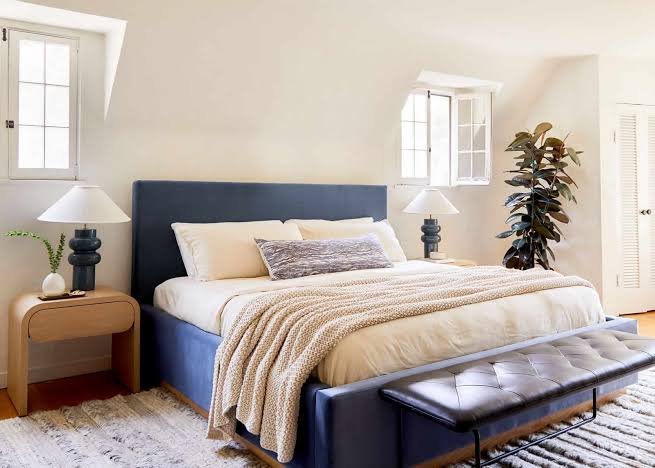

A bedroom should be more than just a place where you sleep. It should be a peaceful, comfortable, and welcoming space where you can relax after a long day, read a book, enjoy quiet time, or simply recharge your mind and body. A comfortable bedroom does not necessarily require expensive furniture, a large space, or a complete renovation. With thoughtful choices in bedding, lighting, colors, furniture, organization, temperature, and decoration, almost any bedroom can become a more relaxing and enjoyable place.
Creating a comfortable bedroom begins with understanding what makes a space feel restful. Comfort is influenced by many small details. The mattress you sleep on, the softness of your pillows, the temperature of the room, the amount of natural light, the colors on the walls, the organization of your belongings, and even the way furniture is arranged can affect how comfortable the room feels.
This guide explains practical and affordable ways to make your bedroom more comfortable. Whether you have a large master bedroom, a small apartment bedroom, a guest room, or a simple rented space, these ideas can help you create a room that feels calm, cozy, attractive, and functional.
1. Start With a Comfortable Mattress
The mattress is one of the most important elements of any bedroom because you spend many hours on it. Even a beautifully decorated bedroom can feel uncomfortable if the mattress does not provide adequate support.
A mattress should suit your sleeping position, personal comfort preferences, and body needs. Some people prefer a firm mattress, while others enjoy a softer surface. There is no single mattress that is perfect for everyone.
If your current mattress feels uneven, excessively saggy, unusually hard, or uncomfortable, it may be time to consider replacing it. Before buying a new mattress, consider its firmness, material, size, durability, and warranty.
You do not always need the most expensive mattress. Instead, focus on finding one that provides consistent support and allows you to sleep comfortably.
A mattress topper can also be useful if replacing the entire mattress is not currently practical. Memory foam, latex, wool, and quilted toppers can change the feel of a mattress while adding another layer of comfort.
2. Choose Better Pillows
Pillows can make a significant difference to bedroom comfort. A pillow that is too high, too low, too firm, or too soft may make sleeping uncomfortable.
Your sleeping position can help determine the type of pillow that works best for you. Side sleepers often prefer a pillow with enough height to support the space between the head and mattress. Back sleepers may prefer medium-height pillows, while stomach sleepers often feel more comfortable with a relatively thin pillow.
Consider pillows made from materials such as memory foam, latex, down alternatives, cotton, or other breathable fillings.
It is also helpful to replace old pillows when they become flattened, lumpy, stained, or uncomfortable. Pillow protectors can help keep them cleaner and extend their useful life.
For extra comfort, you can place decorative cushions on the bed during the day and remove or rearrange them when sleeping.
3. Use Soft and Breathable Bedding
Bedding has a major influence on how comfortable a bedroom feels. Choose sheets that feel pleasant against your skin and are suitable for your climate.
Cotton is a popular option because it is breathable and available in many styles and price ranges. Linen is another breathable choice and can provide a relaxed, natural appearance. During colder weather, flannel and heavier fabrics can provide additional warmth.
Pay attention to the weave and texture of the fabric rather than focusing only on thread count. Extremely high thread counts are not automatically better. Comfort, breathability, durability, and personal preference are more important.
Wash your sheets regularly and replace bedding when it becomes worn or uncomfortable.
Freshly washed sheets can instantly make a bedroom feel cleaner and more inviting.
4. Add Layers to Your Bed
A comfortable bed often looks more inviting when it contains several layers of bedding.
You can start with a fitted sheet, add a flat sheet if desired, and then use a comforter, duvet, quilt, or blanket. A lightweight throw can be placed near the bottom of the bed for both decoration and easy access when you feel cold.
Layering also allows you to adjust your bedding according to the temperature. Instead of using one extremely heavy blanket, you can use several lighter layers that can be removed individually.
Different textures can also make the bed visually interesting. For example, smooth cotton sheets can be combined with a textured quilt and a soft knitted throw.
5. Choose Comfortable Bedroom Colors
Color has an important role in creating the atmosphere of a bedroom. Soft and muted colors are often associated with calm environments.
Neutral shades such as beige, cream, warm white, taupe, light gray, and soft brown can create a relaxed appearance. Pale blue, muted green, dusty pink, and other gentle shades can also work well.
This does not mean that bedrooms must always be white or beige. Darker colors can create a cozy atmosphere when used thoughtfully. Deep green, navy, charcoal, or warm brown can make a bedroom feel intimate and comfortable.
If you enjoy brighter colors, consider using them through artwork, cushions, curtains, rugs, or decorative accessories rather than covering every wall with intense colors.
6. Improve Bedroom Lighting
Lighting can completely change the feeling of a bedroom.
A comfortable bedroom should ideally have several lighting options instead of relying on one bright ceiling light.
Use general lighting for everyday activities and softer lighting for relaxation. Bedside lamps can provide useful light for reading without illuminating the entire room.
Warm-toned bulbs are often suitable for relaxing spaces because they create a softer atmosphere than very cool, bright lighting.
Consider installing a dimmer if your lighting system supports one. Adjustable brightness allows you to create brighter conditions when cleaning or getting dressed and softer lighting when preparing for sleep.
7. Make Better Use of Natural Light
Natural light can make a bedroom feel brighter, fresher, and more spacious during the day.
Keep windows reasonably clear so sunlight can enter the room. Lightweight curtains can provide privacy while allowing natural light to pass through.
If you need stronger darkness for sleeping, combine sheer curtains with blackout curtains or blinds. This gives you flexibility: open the lighter curtains during the day and close the blackout layer when you want more privacy or darkness.
The amount of natural light can also influence your choice of wall and furniture colors. Rooms with limited sunlight may benefit from lighter surfaces, while naturally bright bedrooms can accommodate deeper shades.
8. Use Blackout Curtains When Necessary
If outdoor light interferes with your sleep or relaxation, blackout curtains can make a bedroom more comfortable.
They can reduce the amount of light entering through windows and may also help with privacy. Some heavier curtains can provide an additional layer between the room and outside temperatures.
Choose curtains that fit the window properly. Curtains that are too narrow or short may allow unwanted light around the edges.
For a softer appearance, you can combine blackout curtains with lightweight sheers.
9. Keep the Bedroom at a Comfortable Temperature
Temperature is an important part of bedroom comfort.
A bedroom that is too hot can make relaxation difficult, while an excessively cold room can also be uncomfortable.
Use breathable bedding during warmer months and warmer blankets during colder seasons. Curtains and blinds can help control sunlight during hot periods.
Fans, air conditioning, heating systems, and natural ventilation can all help maintain a comfortable environment depending on the climate.
If possible, allow fresh air into the room periodically. However, outdoor conditions, air quality, security, and weather should always be considered before opening windows.
10. Improve Air Quality
A comfortable bedroom should have reasonably clean and fresh air.
Regular ventilation can help prevent the room from feeling stale. Dust furniture, clean floors, wash bedding, and keep soft furnishings reasonably clean.
If the room has persistent humidity problems, condensation, or musty odors, investigate the cause rather than simply covering the smell with air fresheners.
An air purifier may be useful in some environments, particularly where dust or airborne particles are a concern.
Houseplants can also add visual interest, although they should not be treated as a substitute for proper ventilation or air filtration.
11. Reduce Bedroom Clutter
Clutter can make a bedroom feel smaller and less relaxing.
A simple organization system can dramatically improve the atmosphere.
Start by removing items that do not belong in the bedroom. Then organize clothing, books, accessories, electronics, and other belongings into appropriate storage areas.
Avoid allowing chairs, floors, bedside tables, and the top of dressers to become permanent storage locations.
A clean floor can make a surprisingly large difference. If possible, keep pathways clear around the bed and furniture.
12. Organize Your Bedside Table
A bedside table should contain only items you actually need.
Useful items might include a lamp, alarm clock, book, water bottle, glasses, or a small personal object.
Avoid turning the bedside table into a pile of chargers, receipts, cosmetics, paperwork, and random objects.
A small drawer or basket can help hide items that need to remain nearby without creating visual clutter.
13. Create a Relaxing Reading Corner
If your bedroom has enough space, consider creating a small reading corner.
A comfortable chair, small side table, floor lamp, and soft throw can create a peaceful place for reading or relaxing.
You do not need a large chair or expensive furniture. Even a compact chair placed near a window can become a useful relaxation zone.
If the bedroom is small, a comfortable cushion on a window seat or a small upholstered chair may be enough.
14. Add a Soft Bedroom Rug
A rug can make a bedroom feel warmer and more comfortable, especially when the floor is hard.
Placing a rug near the bed means your feet do not have to touch a cold floor immediately after getting up.
Choose a rug that fits the size of the room and works with the existing furniture. A rug that is too small can look disconnected from the bed.
For a larger bedroom, a rug can help visually define the sleeping area.
15. Choose Comfortable Flooring
If you are renovating your bedroom, flooring deserves attention.
Carpet can provide warmth and softness underfoot. Wood, laminate, vinyl, tile, and other hard flooring materials can also work well when combined with suitable rugs.
The best choice depends on your climate, maintenance preferences, budget, and overall design.
If changing the flooring is not possible, adding one or two strategically placed rugs can significantly improve comfort.
16. Make Your Bed the Main Comfort Zone
The bed should be the visual and functional center of the bedroom.
Choose bedding that makes you want to relax. A well-made bed with comfortable sheets, pillows, blankets, and a simple arrangement can immediately improve the appearance of the room.
Avoid filling the bed with so many decorative pillows that there is no practical space to sleep.
The goal is to create a balance between appearance and everyday usability.
17. Select Furniture Carefully
Bedroom furniture should be comfortable, functional, and appropriately sized.
A large bed may look luxurious, but it can make a small bedroom difficult to move around in.
Before buying furniture, measure the room and consider door openings, windows, wardrobes, and walking paths.
A comfortable bedroom should allow you to move around without constantly bumping into furniture.
18. Improve Furniture Placement
The position of furniture can affect how spacious and comfortable a bedroom feels.
Place the bed where it provides convenient access from both sides when possible. Avoid blocking windows or doors unnecessarily.
Leave enough space to walk comfortably around major furniture pieces.
In a small bedroom, consider multifunctional furniture such as beds with storage drawers or wardrobes with built-in organizers.
19. Use Functional Storage
Storage should make your bedroom easier to maintain.
Under-bed storage can be useful for seasonal clothing, extra bedding, shoes, luggage, or other items.
Wardrobe organizers can help separate clothing categories and make it easier to find things.
Shelves can be useful for books and decorative objects, but avoid filling every shelf because excessive decoration can create visual clutter.
20. Keep Clothes Organized
Clothing is one of the most common sources of bedroom clutter.
Create simple categories for everyday clothing, formal clothing, seasonal items, accessories, and items that need washing.
Use hangers consistently and fold clothing that does not need hanging.
A laundry basket can prevent used clothing from ending up on chairs or floors.
Choose a laundry basket with a design that fits the room so it becomes part of the organization system rather than an eyesore.
21. Hide Unnecessary Cables
Modern bedrooms often contain chargers, lamps, phones, computers, televisions, speakers, and other electronic devices.
Visible cables can make an otherwise organized bedroom look messy.
Use cable clips, cable sleeves, or simple cable-management boxes to keep cords under control.
Place charging stations in convenient locations so cables do not have to stretch across the room.
22. Create a Technology-Free Zone
Technology can be useful, but too many devices can make a bedroom feel more like an office or entertainment room.
If possible, keep work equipment away from the sleeping area.
A laptop on the bed can make it difficult to mentally separate work from relaxation. A dedicated desk area elsewhere in the home may help maintain a clearer boundary.
You can also consider keeping phones and tablets away from the bed when you are ready to sleep.
23. Add Personal Decorations
A comfortable bedroom should feel personal.
Add photographs, artwork, souvenirs, books, handmade objects, or other items that have positive meaning to you.
However, personal decoration does not need to mean filling every available surface.
Choose a few meaningful objects and give them enough space to be appreciated.
24. Use Artwork to Create Calm
Artwork can make plain walls feel more welcoming.
Nature scenes, abstract artwork, photography, simple prints, or personal artwork can all work.
Choose pieces that make you feel comfortable rather than selecting artwork simply because it is fashionable.
Large artwork above the bed can become a focal point, while smaller framed pieces can be arranged on other walls.
25. Add Texture
Texture is one of the easiest ways to make a bedroom feel cozy.
Soft bedding, woven baskets, knitted blankets, curtains, upholstered furniture, rugs, and textured cushions can add visual warmth.
Combining different textures makes a room feel more layered without requiring lots of color.
For example, a simple neutral bedroom can become much more inviting through the combination of cotton sheets, a woven blanket, a soft rug, wooden furniture, and fabric curtains.
26. Choose Natural Materials
Natural materials can create a warm and relaxed atmosphere.
Wood furniture, cotton bedding, linen curtains, wool rugs, woven baskets, and natural fibers can add character.
Wooden surfaces can introduce warmth into rooms dominated by white or gray.
Natural materials do not need to be expensive. Even a small wooden tray, woven basket, or cotton throw can make a noticeable difference.
27. Make the Ceiling Comfortable to Look At
The ceiling is often ignored in bedroom design.
You do not necessarily need an elaborate ceiling design. A clean, simple ceiling with appropriate lighting can make the room feel finished.
If the ceiling is low, avoid overly heavy visual elements. In some rooms, lighter colors can create a sense of openness.
28. Keep the Walls Clean
Dirty, damaged, or overcrowded walls can reduce the sense of comfort.
Clean walls periodically and repair visible damage when possible.
If you are renting, removable wall decorations or temporary wallpaper can provide visual improvement without permanent changes.
29. Use Mirrors Carefully
Mirrors can make a bedroom appear larger and brighter.
A full-length mirror can also be practical for getting dressed.
Place mirrors where they reflect useful light or attractive parts of the room. Avoid positioning them in a way that creates unwanted glare.
In small bedrooms, a large mirror on a wardrobe door can provide both functionality and visual spaciousness.
30. Add a Small Bench
If space permits, a bench at the end of the bed can provide seating and additional functionality.
It can be useful for putting on shoes, placing a blanket, or organizing clothing temporarily.
In a small room, choose a narrow bench so it does not interfere with walking space.
31. Choose the Right Curtains
Curtains affect privacy, light, temperature, and appearance.
Long curtains can create an elegant appearance, while simple roller blinds may provide a cleaner look in compact rooms.
Choose a material that matches the room’s needs. Lightweight fabrics can create an airy feeling, while heavier curtains can provide greater privacy and darkness.
32. Make the Bedroom Smell Pleasant
A pleasant-smelling room can feel more inviting.
Regular cleaning should be the first priority. After that, you can use mild scents if you enjoy them.
Options include scented candles, reed diffusers, sachets, or other fragrance products, provided they are used safely.
Avoid overwhelming the room with strong fragrances.
33. Be Careful With Candles
Candles can create a warm atmosphere, but they should never be left unattended.
Keep candles away from curtains, bedding, clothing, papers, and other flammable materials.
If you prefer a similar visual effect without an open flame, battery-operated candles can be an alternative.
34. Keep the Bedroom Clean
Regular cleaning is one of the most effective ways to maintain comfort.
Dust surfaces, vacuum or sweep floors, wash bedding, clean mirrors, and remove trash.
Pay attention to areas that are often overlooked, including under the bed, behind furniture, ceiling fans, lampshades, and window areas.
A clean bedroom generally feels more relaxing than a cluttered one.
35. Establish a Simple Cleaning Routine
You do not need to spend hours cleaning your bedroom every day.
A short daily routine can include making the bed, putting clothing away, clearing the bedside table, and removing trash.
A weekly routine can include changing bedding, dusting furniture, cleaning floors, and cleaning mirrors.
A monthly routine can include deeper cleaning under furniture, organizing drawers, and checking storage areas.
36. Make the Bed Every Morning
Making the bed takes only a few minutes but can change the appearance of the entire bedroom.
A neat bed immediately creates a more organized visual center.
It can also make the room feel ready for the evening when you return.
The goal is not perfection. Simply arranging the sheets, blanket, and pillows neatly can be enough.
37. Use a Comfortable Duvet or Comforter
Choose bedding appropriate for the season.
A lightweight duvet can work well in warm weather, while a thicker comforter can provide warmth during colder periods.
If your climate changes significantly throughout the year, consider having different bedding options for summer and winter.
This makes it easier to maintain comfortable sleeping conditions without overheating or becoming too cold.
38. Keep Extra Blankets Nearby
An extra blanket can be useful during cooler nights.
A basket near the bed can provide convenient storage while keeping the blanket accessible.
Choose a blanket that complements the room’s colors and textures.
39. Choose Breathable Sleepwear
Bedroom comfort is not only about the room itself.
Sleepwear can also influence how comfortable you feel.
Lightweight, breathable fabrics may be more comfortable in warm weather, while warmer materials can help during colder seasons.
Choose sleepwear that allows comfortable movement and does not feel restrictive.
40. Create a Peaceful Night Routine
A comfortable bedroom becomes even more useful when combined with a calming nighttime routine.
You might dim the lights, put away electronic devices, read for a few minutes, organize the room, or listen to quiet audio.
The purpose is to create a consistent transition between daytime activity and nighttime rest.
41. Reduce Unnecessary Noise
Noise can make a bedroom feel less peaceful.
If outside sounds are a problem, consider thicker curtains, rugs, upholstered furniture, or other methods that can reduce the feeling of echo.
A fan or white-noise machine may also help some people create a consistent background sound.
If noise comes from another part of the home, simple changes such as closing doors or moving noisy activities elsewhere can help.
42. Use Soft Furnishings for Sound
Soft materials absorb some sound and reduce the hard, echoing feeling that can occur in rooms with many bare surfaces.
Rugs, curtains, upholstered chairs, fabric headboards, and bedding all contribute to a softer acoustic environment.
This is especially useful in rooms with hard floors and minimal furniture.
43. Choose a Comfortable Headboard
A headboard can improve both appearance and comfort.
An upholstered headboard provides a soft surface for sitting up in bed and reading.
Wooden headboards can create a warm natural appearance, while simple panel designs can provide a modern look.
If you already have a bed without a headboard, wall-mounted cushions or padded panels may provide a similar sense of comfort.
44. Create a Bedside Reading Setup
If you enjoy reading, make the process convenient.
Keep a reading lamp and small surface beside the bed. Choose a lamp that provides enough light without producing excessive glare.
Keep your current book nearby instead of allowing books to accumulate around the room.
A small basket can also store magazines, notebooks, or reading materials.
45. Keep Water Nearby
A water bottle or glass can be useful at night.
Choose a container with a secure lid if spills are a concern.
A small bedside tray can keep the bottle, glasses, and other essentials organized.
46. Use Furniture With Rounded Edges
If you are furnishing a new bedroom, furniture with softer or rounded edges can create a visually gentle appearance.
This can also be useful in rooms where walking space is limited.
Sharp corners are not automatically bad, but consider safety and convenience when placing furniture near pathways.
47. Avoid Overcrowding
One of the most important rules for bedroom comfort is leaving enough empty space.
Furniture should support the room rather than dominate it.
If you have a small bedroom, consider whether every piece of furniture is necessary.
A simple room with a bed, wardrobe, bedside table, and a small storage solution may feel more comfortable than a crowded room filled with furniture.
48. Use Vertical Space
Small bedrooms can benefit from vertical storage.
Tall wardrobes, shelves, wall hooks, and hanging organizers can increase storage without taking too much floor space.
Keep frequently used items within easy reach and less frequently used items higher up.
49. Choose Multi-Purpose Furniture
Multi-purpose furniture is particularly useful in small bedrooms.
A bed with storage drawers, an ottoman with hidden storage, a bedside table with drawers, or a desk that doubles as a vanity can reduce the number of furniture pieces needed.
This can create more open space and improve comfort.
50. Make Your Bedroom Reflect Your Personality
A bedroom should feel like your own space.
If you enjoy minimalist design, keep decoration simple. If you love colorful interiors, use cheerful colors through artwork, textiles, and accessories.
If you prefer traditional design, incorporate classic furniture and warm materials.
The most comfortable bedroom is one where the design feels natural to the person using it.
51. Create a Minimalist Bedroom
Minimalism can make a bedroom feel calm and spacious.
Choose essential furniture, neutral colors, simple artwork, and limited decorative objects.
The key is not to make the room empty. Instead, remove unnecessary items while keeping the things that provide comfort and personality.
52. Create a Cozy Bedroom
A cozy bedroom can include warm lighting, soft blankets, layered bedding, textured rugs, curtains, cushions, and warm colors.
Wooden furniture can also contribute to a cozy feeling.
Avoid making the room so crowded that comfort becomes difficult.
53. Create a Modern Bedroom
A modern bedroom can combine simple furniture, clean lines, neutral colors, and carefully selected lighting.
Use a limited color palette and avoid excessive decorative details.
Modern design does not have to mean cold or uncomfortable. Soft fabrics, warm lighting, and natural materials can make modern rooms inviting.
54. Create a Small Bedroom Comfortably
Small bedrooms require careful planning.
Use furniture that fits the scale of the room. Choose storage that uses vertical or hidden space.
Light colors can help create an open appearance, while mirrors can increase the feeling of visual space.
Avoid blocking windows or creating unnecessary obstacles around the bed.
55. Make a Large Bedroom Feel Cozy
Large bedrooms can sometimes feel empty rather than comfortable.
Use rugs, seating areas, curtains, artwork, and appropriately sized furniture to create separate zones.
A large rug can help visually connect the bed and surrounding furniture.
You can also create a dedicated reading, dressing, or relaxation area.
56. Improve a Guest Bedroom
A comfortable guest bedroom should provide visitors with the essentials.
Make sure the mattress and pillows are comfortable, provide clean bedding, offer adequate lighting, and leave some storage space for guests.
A small table, mirror, drinking water, and extra blanket can make the room feel welcoming.
Avoid filling the guest room with furniture that leaves no space for visitors’ belongings.
57. Make a Rental Bedroom Comfortable
Renters can improve their bedrooms without making permanent changes.
Use removable wall decorations, freestanding furniture, rugs, curtains, lamps, bedding, and temporary storage solutions.
A few changes in textiles and lighting can dramatically alter the room without requiring construction.
58. Use Plants Carefully
Plants can add color and life to a bedroom.
Choose plants based on available light and your ability to care for them.
Place them where they will not interfere with walking paths, sleeping space, or furniture.
If you do not have suitable conditions for living plants, artificial greenery can provide a similar decorative effect.
59. Keep the Bed Away From Unnecessary Distractions
The area around the bed should ideally feel calm.
Avoid turning the space immediately around the bed into a storage zone.
Keep paperwork, work equipment, excessive electronics, and clutter away from the sleeping area when possible.
60. Create a Balanced Bedroom Layout
A comfortable bedroom often has visual balance.
The bed usually acts as the main focal point, while bedside tables, lamps, artwork, rugs, and other elements support it.
Balance does not mean everything must be identical. You can use different objects while maintaining similar visual weight.
61. Think About Accessibility
A comfortable bedroom should also be easy to use.
Keep important items within reach. Make sure drawers open fully and pathways remain clear.
If someone has mobility limitations, bedroom design should consider safe movement, appropriate furniture height, lighting, and easy access to essential items.
62. Improve Closet Organization
A disorganized closet can make the entire bedroom feel chaotic.
Use drawer dividers, shelf organizers, baskets, and consistent hangers.
Group similar clothing together so you can quickly find what you need.
Consider seasonal rotation if closet space is limited.
63. Store Seasonal Items Properly
Winter blankets, summer clothing, holiday decorations, and rarely used items do not need to occupy everyday space.
Use labeled storage boxes or under-bed containers.
Proper organization makes it easier to keep the bedroom clean and reduces unnecessary visual clutter.
64. Use a Laundry System
A laundry basket in a convenient location can prevent clothing from accumulating on the floor.
If possible, choose a basket with separate sections for different types of laundry.
The best system is one that makes it easy to put clothes where they belong.
65. Add a Full-Length Mirror
A full-length mirror can be both decorative and practical.
It allows you to check an outfit before leaving the room and can make the bedroom appear more spacious.
Position it securely and make sure it does not create an obstacle in the walking path.
66. Improve Window Comfort
Windows affect light, ventilation, privacy, and temperature.
Keep them clean and ensure curtains or blinds operate properly.
If drafts or excessive sunlight are a problem, consider appropriate window treatments.
A comfortable window area can also become a pleasant place for a chair or small reading space.
67. Keep Dust Under Control
Dust can accumulate quickly in bedrooms because of bedding, clothing, rugs, and fabric surfaces.
Regularly clean floors, furniture, window areas, and other surfaces.
Wash bedding according to care instructions.
Do not forget hidden areas such as under the bed and behind furniture.
68. Wash Bedding Regularly
Sheets and pillowcases should be washed regularly according to your personal needs and fabric-care instructions.
Blankets, duvets, mattress protectors, and pillows also require periodic cleaning or care.
Always follow the manufacturer’s washing and drying instructions to protect the materials.
69. Protect Your Mattress
A mattress protector can help protect against spills, stains, dust, and everyday wear.
Choose one that does not significantly change the comfort of the mattress.
Wash the protector regularly according to its care instructions.
70. Keep Shoes Out of the Sleeping Area
Shoes can bring dirt and dust into the bedroom.
If possible, keep them near an entry area or in a dedicated shoe-storage location.
A small shoe rack outside or near the bedroom can help maintain cleaner floors.
71. Use a Simple Color Palette
Too many colors can make a bedroom feel visually busy.
Choose two or three main colors and use variations of those shades.
For example, cream walls, natural wood furniture, and muted green accessories can create a calm combination.
Another option is soft gray, white, and warm beige.
72. Use Dark Colors Strategically
Dark colors can make a bedroom feel sophisticated and cozy.
Rather than painting every surface a dark shade, you can use a dark accent wall behind the bed.
Dark curtains, bedding, artwork, or furniture can also introduce depth without overwhelming the room.
73. Add Warm Lighting Near the Bed
Bedside lamps with warm light can create a peaceful nighttime atmosphere.
Two matching lamps can create symmetry, while different lamps can provide a more relaxed and personalized appearance.
Choose lamps with shades that soften the light.
74. Consider a Night Light
A small night light can be helpful if you need to move around the bedroom during the night.
Choose a low-level light that provides enough visibility without creating excessive brightness.
Motion-activated lights can be particularly convenient for hallways, closets, or under-bed areas.
75. Make Your Bedroom Flexible
Your bedroom may need to serve multiple purposes.
It may be a sleeping area, reading space, dressing room, study area, or exercise space.
Try to separate these functions visually or physically.
For example, a desk can be positioned away from the bed, while a chair and lamp can create a separate reading corner.
76. Create a Relaxation Zone
A small relaxation zone can make a bedroom more versatile.
This might include a chair, side table, lamp, and a few books.
If you have limited space, even a comfortable cushion near a window can create a separate place for quiet time.
77. Choose Furniture With Storage
Furniture that provides hidden storage can help keep the room organized.
Storage beds, bedside tables with drawers, benches with compartments, and wardrobes with built-in shelving can all be useful.
Hidden storage allows you to keep necessary items without making the room visually crowded.
78. Use Baskets
Baskets are simple and attractive storage tools.
They can hold blankets, pillows, books, accessories, laundry, or other items.
Woven baskets can also add natural texture to a bedroom.
79. Use Trays for Small Items
A small tray can organize perfumes, watches, jewelry, glasses, keys, or other small objects.
Instead of spreading these items across a dresser, place them together in a dedicated tray.
This makes cleaning easier and reduces visual clutter.
80. Avoid Turning the Bedroom Into a Storage Room
Bedrooms often become places where unused objects accumulate.
Try to avoid storing boxes, old equipment, broken furniture, and unrelated household items in the bedroom.
If something does not contribute to sleeping, dressing, relaxing, or another useful bedroom function, consider storing it elsewhere.
81. Make the Bedroom Easy to Maintain
A comfortable bedroom should not require hours of work to keep organized.
Choose washable fabrics, practical storage, easy-to-clean surfaces, and furniture that is easy to move or clean around.
The easier the room is to maintain, the more likely it is to remain comfortable.
82. Use Seasonal Decoration
You can refresh your bedroom throughout the year without changing the entire design.
Use lighter bedding and brighter textiles in warmer seasons and warmer blankets and deeper colors in colder months.
Small seasonal changes can make the bedroom feel fresh.
83. Keep Decoration Meaningful
Instead of buying decorations simply to fill empty space, choose pieces that you genuinely like.
A favorite photograph, painting, travel souvenir, handmade object, or meaningful gift can make the room feel more personal.
84. Avoid Excessive Decoration
Too much decoration can create visual noise.
If every surface contains objects, the bedroom may become harder to clean and less peaceful.
Leave some empty space around important decorative pieces.
85. Consider Furniture Scale
Furniture should match the size of the room.
A huge wardrobe may overwhelm a small bedroom, while tiny furniture can look lost in a very large room.
Measure before buying.
86. Use Symmetry When Helpful
Symmetry can make a bedroom feel organized.
Matching bedside tables and lamps on both sides of the bed are a classic example.
However, perfect symmetry is not required. A balanced arrangement can also work with different pieces.
87. Keep the Floor Visible
Visible floor space contributes to a sense of openness.
Avoid covering every part of the floor with furniture, storage containers, and decorative objects.
In small bedrooms especially, keeping pathways clear can make the room feel significantly larger.
88. Make the Bed Easy to Access
Leave sufficient space around the bed for getting in and out comfortably.
Avoid placing furniture so close to the bed that movement becomes difficult.
If multiple people use the bed, consider access from both sides when the room allows it.
89. Think About Morning Comfort
Bedroom comfort is not only about nighttime.
Make the morning routine easier by placing clothing, mirrors, lighting, and storage where they are convenient.
A comfortable rug beside the bed can make getting up more pleasant.
Natural light can also make mornings feel brighter and more welcoming.
90. Create a Peaceful Evening Atmosphere
In the evening, reduce unnecessary brightness and clutter.
Turn off harsh overhead lights when they are no longer needed. Use bedside lamps or other softer lighting.
Put away clothing and objects so you can return to a clean environment.
91. Choose Comfortable Window Coverings
Window coverings should match your needs.
If privacy is important, use suitable blinds or curtains. If darkness is important for sleeping, use blackout materials.
If you want maximum daylight during the day, combine light-filtering curtains with adjustable blinds.
92. Add a Comfortable Throw Blanket
A throw blanket can add both warmth and style.
Place it over the end of the bed or in a nearby basket.
Choose a material that feels pleasant and matches the room’s overall design.
93. Keep Extra Pillows Organized
Decorative pillows can make a bed look attractive but can become inconvenient at night.
Use a basket, bench, or storage chest to hold them when sleeping.
This keeps the room tidy without forcing you to place pillows on the floor.
94. Make the Room Feel Fresh
Freshness comes from cleanliness, ventilation, clean bedding, and good organization.
Open windows when appropriate, wash fabrics regularly, remove trash, and avoid allowing damp clothing or towels to remain in the room.
95. Choose Comfortable Furniture for Sitting
If you spend time sitting in your bedroom, invest in a comfortable chair rather than using the bed for everything.
A proper chair can support reading, dressing, relaxing, or occasional work.
96. Keep Work Separate From Sleep
If you work from your bedroom, create a clear boundary.
Use a desk rather than working directly from the bed.
At the end of the workday, close the laptop and organize the workspace.
This can help the bedroom remain primarily associated with rest and relaxation.
97. Use a Small Desk If Necessary
For small bedrooms, a compact desk can provide a useful work or study area.
Choose a desk with drawers or shelves to reduce clutter.
Place it where it does not interfere with the sleeping area.
98. Improve Desk Lighting
If your bedroom includes a desk, make sure it has suitable task lighting.
A desk lamp can provide focused light without requiring the entire bedroom to be brightly illuminated.
99. Keep the Bedroom Secure
Comfort also includes feeling safe.
Make sure windows and doors function properly and that furniture is stable.
Secure tall furniture appropriately when necessary, particularly in homes with children.
Keep electrical cables and devices in safe condition.
100. Build a Bedroom That Feels Like Home
Ultimately, the best bedroom is not necessarily the most expensive or fashionable one.
It is the room where you feel comfortable, relaxed, and at ease.
Start with the essentials: a comfortable mattress, supportive pillows, clean bedding, suitable lighting, good temperature control, and a tidy environment.
Then add personality through colors, artwork, textures, plants, rugs, and meaningful decorations.
You do not have to change everything at once. Begin with the areas that affect comfort most. Replace uncomfortable bedding, improve lighting, organize clutter, adjust the furniture arrangement, and create a more peaceful atmosphere.
Once the basics are working, add small improvements over time.
How to Make a Bedroom More Comfortable on a Small Budget
You do not need a large budget to make a bedroom comfortable.
Start by cleaning and decluttering. This costs nothing and can immediately make the room feel better.
Next, rearrange furniture if the current layout feels crowded.
Wash your bedding and curtains according to their care instructions. Fold clothes and organize surfaces.
Add inexpensive cushions, a soft throw, or a small rug if your budget allows.
Warm lighting can also make a major difference without requiring expensive renovations.
Secondhand furniture can be another option. A simple wooden bedside table or comfortable chair can be cleaned, repaired, or refinished.
Focus on comfort before decoration.
How to Make a Small Bedroom Feel Comfortable
Small bedrooms can be extremely comfortable when they are organized efficiently.
Choose furniture that fits the room and avoid oversized pieces.
Use vertical storage and under-bed storage to reduce clutter.
Mirrors can help create a greater sense of space.
Choose lighter colors if you want an airy appearance, but do not be afraid to use darker accents.
Keep pathways clear and avoid placing unnecessary objects on the floor.
A small bedroom should not feel like a storage room. Every item should have a purpose.
How to Make a Bedroom Feel More Luxurious
Luxury is often associated with comfort rather than price.
Use high-quality bedding that feels pleasant.
Layer different textures through blankets, cushions, curtains, and rugs.
Choose coordinated colors and keep the room organized.
Use warm bedside lighting and attractive lamps.
Add a few carefully selected decorative pieces.
A clean, uncluttered bedroom with comfortable materials can feel more luxurious than a room filled with expensive but uncomfortable furniture.
How to Make a Bedroom More Relaxing
A relaxing bedroom should minimize distractions.
Keep clutter under control, reduce harsh lighting, and use comfortable bedding.
Choose colors that make you feel calm.
Limit unnecessary electronics around the bed.
Use soft textures and, if desired, gentle fragrances.
Create a nighttime routine that allows you to gradually transition from activity to relaxation.
Common Bedroom Comfort Mistakes
Several common mistakes can reduce comfort.
One mistake is buying furniture that is too large for the room.
Another is choosing bedding based only on appearance.
Poor lighting can also make a room feel uncomfortable.
Excessive clutter is another major issue.
Some people use too many decorative pillows, blankets, accessories, and objects.
Others ignore temperature and ventilation.
The solution is to focus on practical comfort first and decoration second.
Bedroom Comfort Checklist
Use this checklist when improving your bedroom:
- Comfortable mattress
- Supportive pillows
- Clean sheets
- Suitable duvet or comforter
- Extra blanket
- Comfortable curtains
- Appropriate lighting
- Bedside lamp
- Clear walking paths
- Organized clothing
- Laundry basket
- Functional storage
- Clean floor
- Clean windows
- Comfortable temperature
- Good ventilation
- Limited clutter
- Personal artwork
- Soft rug
- Comfortable chair if space permits
- Organized bedside table
- Safe electrical connections
- Suitable technology setup
- Relaxing color palette
- Personal decorative items
Final Thoughts
Making your bedroom more comfortable does not require a complete makeover. Comfort is created through many small decisions that work together.
Start with the bed because sleep comfort is one of the most important parts of the room. Choose a mattress that suits you, use comfortable pillows, and select bedding that feels pleasant and works with the climate.
Next, focus on the environment. Keep the room clean, control temperature, improve ventilation, manage natural light, and choose lighting that can become softer in the evening.
Organization is equally important. A cluttered bedroom can feel stressful even when the furniture and decoration are beautiful. Give clothing, books, electronics, accessories, and other belongings designated places.
Then add personality. Use colors, artwork, plants, rugs, blankets, cushions, and meaningful objects to make the room feel like your own.
Remember that bedroom comfort is personal. What feels comfortable to one person may not feel comfortable to another. Some people prefer minimal rooms, while others enjoy layered decoration. Some prefer firm mattresses, while others prefer softer surfaces. Some enjoy bright rooms, while others prefer darker and more intimate spaces.
The goal is not to copy someone else’s bedroom exactly. The goal is to create an environment that supports your own needs and preferences.
A comfortable bedroom should welcome you at the end of the day. It should provide a clean and organized environment, a comfortable place to sleep, suitable lighting, appropriate temperature, and enough personal character to make you feel at home.
You can begin with simple changes today. Clean the room, make the bed, organize the bedside table, remove unnecessary clutter, and improve the lighting. Then gradually invest in better bedding, storage, rugs, curtains, and furniture as your budget allows.
With thoughtful planning, even a small or ordinary bedroom can become a comfortable, beautiful, peaceful, and practical space.