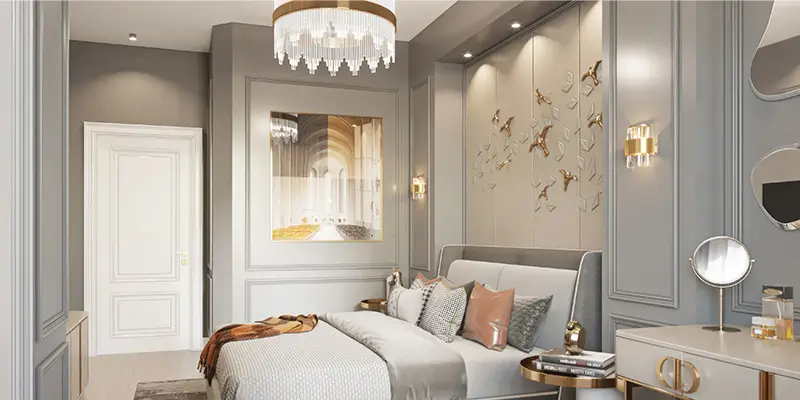

Lighting is one of the most important elements of a beautiful room. Furniture, wall colors, flooring, curtains, artwork, and decorations all contribute to the appearance of a space, but the right lighting can bring everything together. A well-lit room can feel warm, comfortable, spacious, elegant, and inviting, while poor lighting can make even a beautifully decorated room feel dark, uncomfortable, or dull.
The best lighting design is not always about using the brightest bulbs or installing expensive fixtures. Instead, it is about choosing the right combination of light sources for the size, purpose, style, and atmosphere of the room. From ceiling lights and floor lamps to wall sconces, table lamps, pendant lights, LED strips, and natural daylight, there are many ways to create a beautiful lighting plan.
Whether you are decorating a living room, bedroom, dining room, home office, guest room, or small apartment, thoughtful lighting can make a significant difference.
This guide explores the best lighting ideas for a beautiful room and explains how to choose, arrange, and combine different types of lighting to create a comfortable and stylish home.
1. Understand the Three Main Types of Lighting
Before choosing lighting fixtures, it is useful to understand the three basic types of lighting: ambient lighting, task lighting, and accent lighting.
Ambient Lighting
Ambient lighting provides general illumination throughout a room. It is usually the main source of light and allows people to move around comfortably.
Common examples include:
- Ceiling lights
- Chandeliers
- Recessed lights
- Flush-mount fixtures
- Track lighting
- Large pendant lights
Ambient lighting should provide enough illumination without making the room feel harsh.
Task Lighting
Task lighting is designed for specific activities. Reading, cooking, studying, working, applying makeup, sewing, or using a computer may require more focused light.
Examples include:
- Desk lamps
- Reading lamps
- Bedside lamps
- Under-cabinet lights
- Vanity lights
- Adjustable floor lamps
Task lighting is especially useful because it provides additional illumination exactly where it is needed.
Accent Lighting
Accent lighting is primarily used to highlight decorative features or create visual interest.
Examples include:
- Picture lights
- Wall sconces
- LED strips
- Display cabinet lighting
- Spotlights
- Uplights
Accent lighting can highlight artwork, architectural details, plants, shelves, mirrors, or textured walls.
A beautiful room often combines all three types instead of relying on a single ceiling fixture.
2. Use Natural Light Whenever Possible
Before adding artificial lighting, consider how much natural light enters the room.
Natural daylight can make a room feel larger, fresher, and more welcoming. Large windows, glass doors, skylights, and light-colored curtains can help maximize daylight.
Avoid blocking windows with heavy furniture or thick curtains when natural light is limited.
For rooms with plenty of daylight, use artificial lighting mainly to support the space during the evening.
For darker rooms, combine several artificial light sources so the room remains comfortable throughout the day.
3. Choose a Beautiful Ceiling Light
A ceiling light is often the central lighting feature of a room.
The right ceiling fixture can become an important part of the interior design. Depending on your style, you can choose from modern flush mounts, elegant chandeliers, pendant lights, semi-flush fixtures, or recessed lighting.
For a traditional room, a decorative chandelier can create a classic appearance.
For a modern room, a simple geometric pendant can provide a contemporary look.
For a small room, a flush-mount ceiling fixture can provide useful illumination without taking up visual space.
The size of the ceiling light should be proportional to the room. An oversized fixture can dominate a small room, while a tiny fixture may look lost in a large space.
4. Add a Statement Chandelier
A chandelier can instantly give a room a sophisticated appearance.
Although chandeliers are traditionally associated with dining rooms and formal spaces, modern designs can also work beautifully in living rooms, bedrooms, entryways, and even large bathrooms.
Modern chandeliers are available in many shapes and materials. Some feature glass globes, metal frames, crystal elements, wooden details, or minimalist linear designs.
When selecting a chandelier, consider the height of the ceiling and the furniture arrangement.
A chandelier should provide visual impact without interfering with movement or making the room feel crowded.
5. Install Pendant Lights
Pendant lights are excellent for adding style and focused illumination.
They can be used individually or in groups. A single pendant can work well in a reading corner or small seating area, while multiple pendants can create a dramatic effect over a dining table.
In bedrooms, small pendant lights can sometimes replace traditional bedside lamps, leaving more space on nightstands.
Pendant lights also work well in open-plan homes because they can visually define different areas.
Choose simple pendants for minimalist rooms or decorative designs for more traditional interiors.
6. Use Recessed Lighting for a Clean Look
Recessed lights are installed into the ceiling, creating a clean and streamlined appearance.
They are particularly useful in modern interiors where homeowners want lighting without large visible fixtures.
Recessed lights can provide general illumination or highlight specific areas.
However, installing too many recessed lights can make a room look overly bright or visually busy. Instead, plan their placement carefully.
Use them to provide balanced illumination rather than creating a grid of lights without considering furniture placement.
7. Add Floor Lamps to Empty Corners
Floor lamps are one of the easiest ways to improve room lighting.
An empty corner can often look unfinished. Adding a floor lamp can fill the space while providing useful illumination.
Floor lamps are especially effective next to:
- Sofas
- Armchairs
- Reading chairs
- Desks
- Beds
- Console tables
An adjustable floor lamp is useful for reading because you can direct the light toward a book or chair.
A tall arc lamp can also provide light over a sofa without requiring a table.
8. Use Table Lamps for Warmth
Table lamps can make a room feel comfortable and welcoming.
Place them on side tables, nightstands, consoles, desks, or cabinets.
In living rooms, matching table lamps on both sides of a sofa can create symmetry.
In bedrooms, bedside lamps provide practical light for reading and create a relaxing atmosphere at night.
Choose lamps that complement the room’s furniture and color scheme.
The lampshade also affects the quality of light. Fabric shades can soften illumination and create a warm atmosphere.
9. Create a Cozy Reading Corner
A reading corner benefits greatly from dedicated lighting.
Start with a comfortable chair and a small side table. Add a floor lamp or adjustable reading lamp nearby.
The light should illuminate the reading area without shining directly into your eyes.
A warm light source can make the corner feel especially relaxing during the evening.
You can also add a small table lamp if the side table has enough space.
This simple combination can turn an unused corner into one of the most attractive areas of the room.
10. Install Wall Sconces
Wall sconces are excellent for adding decorative and functional lighting.
They can be installed on either side of a bed, mirror, fireplace, artwork, or hallway entrance.
Wall sconces save floor and table space, making them especially useful in small rooms.
Modern sconces come in many styles, including minimalist, industrial, traditional, rustic, and contemporary designs.
For bedrooms, adjustable sconces can provide useful reading light without requiring large bedside lamps.
11. Use Warm White Lighting in Bedrooms
Bedrooms should generally feel calm and relaxing.
Warm white lighting can help create a comfortable evening atmosphere.
Instead of using extremely bright overhead lights at night, combine bedside lamps, wall sconces, floor lamps, or indirect LED lighting.
Layered lighting allows you to choose the appropriate level of brightness depending on the activity.
For example, you might use brighter lighting while cleaning the bedroom and softer lighting while relaxing before sleep.
12. Add LED Strip Lighting
LED strip lighting is a flexible way to add modern style.
LED strips can be installed under:
- Floating shelves
- Beds
- Cabinets
- Desks
- TV units
- Kitchen cabinets
- Wardrobes
Indirect LED lighting can create a soft glow without making the light source the main visual focus.
In bedrooms, LED strips underneath a bed can create a floating effect.
In living rooms, strips behind a TV unit or shelving can add depth and atmosphere.
13. Highlight Artwork
If you have paintings, photographs, prints, or decorative artwork, lighting can make them more noticeable.
Picture lights or adjustable spotlights can direct attention toward artwork.
Avoid placing extremely strong light directly against delicate artwork, especially if the materials can be affected by prolonged exposure.
The goal is to make the artwork visible without overpowering the rest of the room.
14. Light Your Bookshelves
Bookshelves are another excellent place for accent lighting.
Small LED strips can be installed underneath shelves to illuminate books and decorative objects.
Warm illumination can make wooden shelves look particularly attractive.
For glass cabinets, internal lighting can highlight collectibles, ceramics, photographs, or other decorative items.
Shelf lighting also adds depth to rooms that might otherwise look flat.
15. Use Mirror Lighting
Mirrors can improve both the appearance and brightness of a room.
When positioned near a light source, a mirror can reflect light around the space.
In bathrooms and dressing areas, lighting around or beside a mirror is particularly useful.
For decorative mirrors in living rooms or bedrooms, wall sconces on either side can create a balanced appearance.
Avoid relying on a single light directly above a mirror if you need even facial illumination.
16. Add Lighting Behind the TV
Backlighting behind a television can create a modern entertainment area.
A soft LED strip behind the TV can provide subtle illumination around the screen.
This can also reduce the visual contrast between a bright screen and a completely dark room.
Keep the lighting soft and indirect so it does not distract from the television.
17. Use Dimmable Lights
Dimmable lighting gives you greater control over the atmosphere of a room.
Instead of having only one brightness level, you can adjust the lighting according to the time of day and activity.
Bright lighting may be useful when cleaning or working.
Medium lighting can work well for social activities.
Lower lighting can create a relaxing atmosphere for evenings.
Dimmers are especially useful in living rooms, bedrooms, dining rooms, and home theaters.
Make sure the bulbs and switches are compatible with dimming systems.
18. Choose the Right Color Temperature
Light color affects the atmosphere of a room.
Warm light tends to feel cozy and relaxing.
Neutral light can provide a balanced appearance and is useful for many everyday activities.
Cooler light can feel brighter and more energetic, making it useful in some work areas.
For living rooms and bedrooms, many people prefer warmer illumination because it creates a comfortable atmosphere.
For workspaces, kitchens, and areas where detailed tasks are performed, a more neutral light may be useful.
19. Make a Small Room Feel Larger With Lighting
Lighting can influence how large a room appears.
Use multiple light sources rather than relying on one central fixture.
Wall lighting can draw attention toward vertical surfaces, while uplighting can make ceilings feel taller.
Mirrors can reflect light and make the room appear more open.
Light-colored walls also help reflect illumination throughout the space.
Avoid creating very dark corners if you want a small room to feel more spacious.
20. Use Uplighting for Height
Uplighting directs illumination toward the ceiling.
This technique can make a ceiling appear higher and create a soft, indirect glow.
Floor lamps with upward-facing shades are a simple way to achieve this effect.
You can also use wall-mounted fixtures that direct light upward.
Uplighting works particularly well in rooms with interesting ceiling details or textured walls.
21. Try Downlighting
Downlighting directs illumination downward.
Ceiling fixtures and recessed lights commonly provide this type of lighting.
Downlighting is useful for general illumination and task areas.
However, avoid placing strong downlights directly above seating positions if they create uncomfortable shadows.
A balanced combination of downlighting and side lighting usually creates a more pleasant environment.
22. Use Accent Lighting for Plants
Indoor plants can become beautiful decorative features when illuminated correctly.
A small spotlight directed toward a tall plant can create interesting shadows on the wall.
LED strips can also be used around plant shelves.
Avoid excessive heat near plants and use suitable LED fixtures where possible.
Plant lighting can give a room a natural and relaxing feeling, especially at night.
23. Create a Hotel-Inspired Bedroom
Many stylish hotels use layered lighting to create a luxurious atmosphere.
You can use a similar approach at home.
Combine:
- Ceiling lighting
- Bedside lamps
- Wall sconces
- Accent lighting
- Under-bed LED strips
- Dimmable fixtures
Instead of turning on every light at once, use different combinations for different situations.
This creates flexibility and gives the bedroom a more sophisticated appearance.
24. Add Lighting Around the Bed
Bedside lighting should be both attractive and practical.
Traditional bedside lamps remain popular, but wall sconces and hanging pendants are also excellent choices.
If the room is small, wall-mounted lights can free up valuable nightstand space.
Under-bed lighting can provide a subtle glow for nighttime movement without turning on the main ceiling light.
25. Improve Your Home Office Lighting
A home office needs comfortable task lighting.
Position your desk where possible so that natural daylight comes from the side rather than directly behind your monitor.
A desk lamp can provide additional illumination.
Avoid strong glare on computer screens.
If you work for long periods, balanced lighting around the desk can make the space more comfortable.
A combination of ambient ceiling lighting and focused desk lighting is usually more useful than relying on a single lamp.
26. Use Lighting to Define Open-Plan Spaces
Open-plan homes often combine living, dining, and kitchen areas.
Lighting can visually separate these zones.
For example:
- Pendant lights can define the dining table.
- Recessed lighting can illuminate the kitchen.
- Floor lamps can identify the living area.
- Accent lighting can highlight shelves or artwork.
This creates visual boundaries without using walls.
27. Install Under-Cabinet Lighting
Under-cabinet lighting is particularly useful in kitchens and storage areas.
It illuminates work surfaces while reducing shadows.
LED strips or small puck lights can be installed under cabinets.
Although this idea is mainly associated with kitchens, it can also be used under cabinets in living rooms, home offices, and bathrooms.
28. Light the Dining Area Beautifully
The dining table is often a natural focal point.
A pendant or chandelier positioned above the table can create an attractive center.
The fixture should provide enough light for dining without producing uncomfortable glare.
A dimmable fixture is particularly useful because the same dining area may be used for family meals, homework, conversations, or entertaining guests.
29. Use Candlelight for Atmosphere
Candles can add warmth and visual charm.
They are especially suitable for dining tables, bedrooms, bathrooms, and relaxing evening spaces.
If using real candles, place them safely away from curtains, paper, children, pets, and other flammable materials.
Battery-powered candles can provide a similar decorative effect where real flames are unsuitable.
30. Choose Fixtures That Match Your Interior Style
Lighting fixtures should work with the overall design of the room.
For a minimalist interior, select simple fixtures with clean lines.
For an industrial interior, metal fixtures and exposed-bulb designs can work well.
For a farmhouse-inspired room, natural materials and traditional shapes may complement the furniture.
For a luxury interior, glass, brass, crystal, or sculptural fixtures may create a more decorative effect.
The lighting should feel like part of the room rather than an unrelated addition.
31. Use Black Fixtures for Modern Contrast
Black lighting fixtures can create strong visual contrast.
A black pendant against a light ceiling can become a noticeable design feature.
Black floor lamps and sconces can also complement modern furniture.
Use black fixtures carefully so they do not make a small room feel visually heavy.
32. Try Brass and Gold Finishes
Brass and gold-colored fixtures can introduce warmth and elegance.
They can work especially well with neutral walls, wood furniture, cream textiles, and rich accent colors.
Even a small brass table lamp can add a decorative touch.
You do not need every metal element in a room to match perfectly, but maintaining some consistency can make the design feel intentional.
33. Choose Glass Fixtures for a Light Appearance
Glass lighting fixtures can feel visually lighter than solid fixtures.
Clear glass pendants are especially useful in smaller rooms because they provide illumination without creating a large visual block.
Frosted glass can soften the light and create a more comfortable glow.
Glass can also complement both traditional and modern interiors.
34. Use Oversized Lighting Carefully
Large lighting fixtures can make a strong design statement.
An oversized pendant or chandelier can work beautifully in a large room with high ceilings.
However, scale is important.
A huge fixture in a small room may overwhelm the space.
Before purchasing an oversized fixture, consider the ceiling height, room dimensions, furniture size, and viewing distance.
35. Add Lighting to a Gallery Wall
If you have a gallery wall, lighting can make the arrangement more attractive.
Small picture lights can illuminate individual pieces.
Alternatively, adjustable ceiling spotlights can provide broader illumination.
Use the lighting to create emphasis without producing distracting reflections on framed glass.
36. Use Smart Lighting
Smart lighting systems allow you to control brightness, color settings, schedules, and sometimes individual fixtures using compatible controls.
Smart bulbs can be useful when you want flexible lighting without replacing the entire fixture.
You might create different settings for:
- Morning
- Work
- Dinner
- Movie night
- Relaxation
- Bedtime
Smart lighting can make a room more adaptable to different activities.
37. Create a Movie-Night Lighting Setup
A home entertainment room does not need to be completely dark.
Soft indirect lighting behind furniture or along the walls can create a comfortable atmosphere.
Avoid bright lights directly facing the television.
Low-level accent lighting can provide enough illumination for movement while keeping the room suitable for watching movies.
38. Light a Dark Hallway
Hallways can easily become overlooked areas.
Wall sconces, ceiling fixtures, or recessed lighting can make a hallway safer and more attractive.
If the hallway is narrow, wall lighting may be more practical than large hanging fixtures.
Artwork combined with small accent lights can also transform a plain hallway into a decorative passage.
39. Use Lighting in Entryways
The entryway creates the first impression of a home.
A pendant light, chandelier, wall sconces, or decorative table lamp can make the area feel welcoming.
If there is a mirror near the entrance, position lighting so it provides useful illumination without creating harsh glare.
A combination of decorative and functional lighting works particularly well here.
40. Use Motion-Activated Lighting
Motion-activated lighting can be useful in areas such as hallways, closets, stairs, and bathrooms.
The lights automatically turn on when movement is detected.
This can be convenient at night when you do not want to search for a switch.
LED lighting is commonly used for these applications because it can provide efficient illumination in small areas.
41. Improve Stair Lighting
Staircases need safe and effective illumination.
Wall lights, step lights, or recessed fixtures can help make each step easier to see.
Avoid creating strong shadows that make the stairs difficult to navigate.
For decorative staircases, subtle LED lighting can also create a dramatic architectural effect.
42. Light Your Wardrobe
Closet lighting is often forgotten.
Small LED fixtures inside or under shelves can make clothing and accessories easier to see.
Motion-activated lights can be particularly convenient.
Good wardrobe lighting also makes it easier to organize the space and quickly find items.
43. Use Lighting Behind Shelves
Backlighting shelves can add depth.
Install an indirect LED strip behind shelving or along the back edge.
This can create a subtle glow around books and decorations.
The light source should generally remain hidden so that the illuminated objects become the focus.
44. Add a Decorative Floor Lamp
A sculptural floor lamp can function almost like a piece of artwork.
Instead of choosing a purely functional lamp, look for a shape that complements the furniture.
Curved, geometric, wooden, metal, and fabric designs are all available.
A decorative floor lamp can become a focal point in a living room or bedroom.
45. Combine Different Heights of Lighting
A room can look more interesting when light sources exist at different heights.
For example:
- Ceiling light at the highest level
- Wall sconces at eye level
- Table lamps at furniture height
- Floor lamps at lower levels
- Under-furniture LED lighting near the floor
This creates visual depth and prevents the room from feeling flat.
46. Avoid Lighting Every Area Equally
A common mistake is trying to make every part of a room equally bright.
Instead, think about where attention should go.
A beautiful room often has brighter areas and softer areas.
For example, you might highlight artwork while keeping a nearby corner softly illuminated.
This creates contrast and atmosphere.
47. Consider the Room’s Wall Color
Wall color affects how light behaves.
Light-colored walls generally reflect more light.
Dark walls absorb more light and can create a dramatic atmosphere.
If your room has dark walls, you may need additional light sources to maintain comfortable visibility.
However, dark walls do not necessarily require extremely bright lighting. Layered, carefully positioned fixtures can preserve the cozy feeling.
48. Think About Ceiling Height
Ceiling height should influence your lighting choices.
Low ceilings often work well with flush-mount or recessed fixtures.
High ceilings can accommodate chandeliers, pendants, and larger decorative fixtures.
Long pendant lights can emphasize vertical space in rooms with tall ceilings.
Choose fixtures that complement rather than fight the proportions of the room.
49. Match Lighting With Furniture
Lighting and furniture should work together.
A large sectional sofa may require multiple light sources rather than one small lamp.
A compact reading chair may need only a single floor or table lamp.
The position of lighting should support how the furniture is used.
Before installing permanent fixtures, consider the furniture layout carefully.
50. Plan Lighting Before Decorating
The best lighting design starts before the room is completely finished.
Think about:
- Where furniture will go
- Where people will sit
- Where artwork will hang
- Where tasks will happen
- Where switches should be placed
- Which areas need accent lighting
Planning early can prevent awkward wiring, poor fixture placement, and unnecessary changes later.
51. Layer Lighting Instead of Using One Source
One of the most important principles of beautiful room lighting is layering.
Instead of depending entirely on a ceiling fixture, combine several types of lighting.
For example, a living room might include:
- Ceiling light for general illumination
- Floor lamp beside a chair
- Table lamps near the sofa
- Wall lighting for artwork
- LED lighting behind a TV unit
You do not need to use all of these at the same time.
The advantage of layered lighting is flexibility.
52. Choose Bulbs Carefully
The fixture is only part of the lighting design. The bulb also matters.
Consider:
- Brightness
- Color temperature
- Energy efficiency
- Dimming compatibility
- Bulb shape
- Color rendering
A beautiful fixture with an unsuitable bulb may still produce an uncomfortable result.
Always consider the purpose of the room when choosing bulbs.
53. Use Energy-Efficient LED Lighting
LED lighting is popular because it can provide efficient illumination and is available in many styles.
LED bulbs are available for ceiling fixtures, lamps, recessed lights, strips, decorative bulbs, and smart lighting systems.
They can also be useful for accent lighting because LED strips can be installed in locations where traditional bulbs would not be practical.
54. Make Lighting a Design Feature
Lighting does not have to disappear into the background.
A beautiful fixture can become one of the room’s main decorative features.
A sculptural pendant over a dining table or an artistic floor lamp beside a sofa can serve both functional and decorative purposes.
The key is to make sure the fixture complements the rest of the room.
55. Use Symmetry for a Balanced Look
Symmetrical lighting arrangements often create a calm and organized appearance.
For example, place matching lamps on both sides of a sofa, bed, fireplace, or console.
Symmetry is especially useful in traditional and formal interiors.
However, asymmetrical lighting can also work well in modern spaces when carefully balanced.
56. Use Asymmetry for a Modern Feel
Not every room needs matching lamps.
A floor lamp on one side of a sofa and a small table lamp on the other can create a more relaxed, contemporary appearance.
Different fixtures can work together if they share some common design elements, such as color, material, shape, or visual weight.
57. Use Lighting to Create a Focal Point
Every room benefits from a visual focal point.
Lighting can help establish one.
A statement chandelier can draw attention to a dining table.
A picture light can highlight artwork.
A spotlight can emphasize an architectural feature.
A pendant can define a seating area.
Think about what you want people to notice when they enter the room.
58. Avoid Excessive Glare
Glare can make a room uncomfortable.
Direct bright light entering your eyes or reflecting from glossy surfaces can cause visual discomfort.
Use diffused shades, indirect lighting, carefully positioned fixtures, and appropriate brightness levels to reduce glare.
Computer work areas require special attention because reflections on screens can be distracting.
59. Use Soft Lighting for Relaxation
If the goal is to create a relaxing room, avoid relying on strong overhead illumination.
Instead, use:
- Table lamps
- Floor lamps
- Wall sconces
- Indirect LED strips
- Dimmable fixtures
Soft lighting can make a room feel more intimate and comfortable.
60. Create a Beautiful Room With Simple Lighting
You do not need a large budget to improve room lighting.
Start with the basics.
Replace outdated bulbs.
Add a floor lamp to a dark corner.
Place a table lamp beside the sofa.
Use a warm decorative bulb.
Install an affordable LED strip behind a shelf.
Move furniture to take better advantage of natural daylight.
Small changes can have a surprisingly large impact.
Common Lighting Mistakes to Avoid
Even attractive lighting fixtures can produce poor results when they are used incorrectly.
Using Only One Ceiling Light
A single ceiling fixture can leave corners dark and make the room feel flat.
Choosing the Wrong Size Fixture
A fixture should be proportional to the room and furniture.
Using Excessively Bright Light
Very bright light can make a relaxing room feel harsh.
Ignoring Task Lighting
Reading, working, cooking, and grooming often require focused illumination.
Forgetting Accent Lighting
Decorative features can become more attractive when properly highlighted.
Using Too Many Different Styles
Mixing lighting styles without any connection can make a room feel visually confusing.
Ignoring Natural Light
Artificial lighting should complement natural daylight rather than replace it unnecessarily.
Poor Switch Placement
Switches should be easy to reach and logically positioned.
Creating Dark Corners
If important areas remain extremely dark, the room may feel smaller.
Installing Lights Without Considering Furniture
Always think about where people will sit, work, walk, and relax.
How to Choose Lighting for Different Rooms
Different rooms require different lighting strategies.
Living Room
Use layered lighting with a ceiling fixture, floor lamps, table lamps, and accent lighting.
Bedroom
Focus on warm, relaxing lighting with bedside lamps, sconces, and dimmable fixtures.
Dining Room
Use a central pendant or chandelier over the dining table.
Home Office
Combine ambient lighting with focused task lighting.
Kitchen
Use ceiling lights together with under-cabinet task lighting.
Bathroom
Use even lighting around mirrors and appropriate general illumination.
Hallway
Use wall or ceiling lighting that provides safe and comfortable visibility.
Budget-Friendly Lighting Ideas
You do not need to renovate the entire room.
Try these affordable improvements:
- Replace old bulbs with modern LED bulbs.
- Add a small table lamp.
- Use an inexpensive floor lamp.
- Install LED strips under shelves.
- Rearrange furniture to maximize daylight.
- Add a mirror opposite a natural light source.
- Replace an outdated lampshade.
- Use decorative bulbs in suitable fixtures.
- Add small accent lights to bookshelves.
- Use battery-powered lights in closets.
These changes can refresh a room without requiring a major renovation.
Lighting Ideas for Small Rooms
Small rooms need careful lighting because oversized fixtures can make them feel crowded.
Use compact ceiling fixtures, wall sconces, slim floor lamps, and recessed lighting.
Mirrors can help reflect available light.
Transparent or glass fixtures can also reduce visual heaviness.
Keep dark corners to a minimum and use multiple modest light sources instead of one oversized fixture.
Lighting Ideas for Large Rooms
Large rooms require enough illumination to feel balanced.
A single small lamp will rarely be sufficient.
Use larger ceiling fixtures combined with floor lamps, table lamps, wall lights, and accent lighting.
Divide the room into functional zones and provide appropriate lighting for each.
For example, a large living room might have separate lighting for the television area, reading corner, conversation area, and display shelves.
Modern Lighting Trends
Modern interior lighting increasingly focuses on flexibility, simplicity, and layered illumination.
Popular ideas include:
- Minimalist pendants
- Sculptural fixtures
- Smart bulbs
- Hidden LED strips
- Linear ceiling lights
- Adjustable spotlights
- Integrated furniture lighting
- Decorative wall sconces
- Soft indirect illumination
The goal is not simply to follow trends but to choose lighting that will remain practical and attractive over time.
Final Thoughts
The best lighting ideas for a beautiful room are based on balance, function, comfort, and style. Lighting should not simply make a room brighter. It should help create the right atmosphere, highlight important features, support everyday activities, and complement the overall interior design.
Start by understanding the three main layers of lighting: ambient, task, and accent lighting. Then consider natural daylight, ceiling fixtures, floor lamps, table lamps, wall sconces, pendant lights, LED strips, and decorative lighting.
Remember that different rooms need different lighting solutions. A bedroom should feel calm and comfortable, while a home office needs practical task lighting. A living room benefits from flexibility, and a dining room can become more attractive with a well-positioned pendant or chandelier.
You should also pay attention to bulb brightness, color temperature, fixture size, ceiling height, wall colors, furniture arrangement, and glare.
Most importantly, do not feel that every light needs to be turned on at the same time. Layered lighting allows you to change the atmosphere throughout the day. Bright illumination can support work and cleaning, while softer lamps and accent lights can create a relaxing environment in the evening.
A beautiful room is rarely created by one expensive lighting fixture. It is usually the result of several carefully selected light sources working together.
Whether you are decorating a new home or simply refreshing one room, thoughtful lighting can make the space feel more comfortable, functional, spacious, and beautiful. With the right combination of natural daylight, ambient lighting, task lighting, and accent lighting, almost any room can become a more inviting place to live.